How to Start a Travel Business as a Side Hustle
You can set up a travel agency business as a side hustle in about a week, spending just a few hundred dollars, and you won’t have to quit your day job or dip into your paycheck! That part is honestly simple. What really makes the difference between earning $400 or $40,000 isn’t what you see in the headlines, and most people get it wrong. Stay with me, because the real answer might surprise you.
Imagine it’s a Tuesday night. Your laptop is on your knees, and you’ve got a favorite show playing in the background. Your phone buzzes. It’s your cousin: “Hey, we’re thinking Disney in October. Can you look at it?” Forty minutes later, you’ve planned her trip, sent the confirmation, and made a few hundred dollars. You didn’t need anyone’s approval, and you didn’t have to use a vacation day.
That’s what this really looks like. There’s no storefront or brochure rack. It’s just you, your laptop, and people who would rather let someone they trust handle the planning.
I’ve gone through just about every guide on this topic, from host agency roundups and Reddit threads where agents share their numbers, to state licensing pages and those, “six figures in year one” posts that skip over the real details. Here’s what I’d honestly tell a friend, step by step, including the things you won’t find on the front page.

Why Right Now Is a Weirdly Good Time to Start
Here’s the short version, travel has become more complicated, and that’s actually good news for you. People are turning to real experts again, not just to book flights, but to help solve problems.
The internet didn’t get rid of travel agents. Instead, it left travelers overwhelmed with too many browser tabs, making real expertise valuable again.
- Travel advisor is now considered one of the fastest-growing jobs through 2026.
- About half of Americans say they’re more likely to use a travel advisor now than before, which is a 14% increase from last year.
- About 30% of advisors say that more than half of their clients are using a travel advisor for the first time.
- Younger travelers, who many thought would always plan trips themselves, are actually the most likely to use a travel advisor. In fact, 96% of Gen Z and Millennial luxury travelers have used an advisor or plan to.
There’s an important point most people miss. Many guides just say that demand is up, but if you look closer, you’ll see that 87% of Gen Z and Millennial travelers use an advisor to manage their plans in real time during their trip. That’s not just booking. It means being the person who answers the phone late at night when a resort can’t find a reservation.
That’s the real service you offer. Make sure you set your prices to reflect that!
There’s another twist, 72% of Gen Z say they’re comfortable using AI to plan their trips, and 51% prefer booking online instead of with traditional agents. This means the market is splitting. AI handles the simple trips, while people still want help with the complicated, expensive, or emotional ones like honeymoons, big family vacations, or once-in-a-lifetime safaris. If you focus your business on those, the rise of AI can actually help you instead of hurt you.

What a Travel Agent Actually Does These Days
Here’s the short answer: you’re not just a booking clerk. You’re someone who filters options, solves problems, and helps reduce stress. That’s something software just can’t do.
A busy parent planning a Disney World trip doesn’t have 40 hours to compare resort levels, dining plans, and Lightning Lane rules. They’re overwhelmed, and you can almost sense their stress through the screen.
Today the job includes:
- Figuring out what the client actually wants, which is rarely what they first say
- Comparing destinations, resorts, ships, and tours
- Building itineraries and handling transfers, excursions, and insurance
- Tracking deposits and final payment deadlines
- Explaining cancellation terms before they matter
- Fixing things when weather, airlines, or hotels fall apart
- Following up after the trip and turning one booking into three
You help people plan their dream trips, solve problems, and manage budgets. You know how to get the most value for your clients, not just the lowest price.
In my view, changing your mindset is more important than any tactic in this guide. You’re not just offering access to a booking tool, since anyone can do that. You’re offering clarity, good judgment, and a real person to call. When you see it this way, charging for your time feels natural.

Step 1: Pick Your Niche Before Anything Else
Here’s the short version, pick one type of traveler and one kind of trip. Focusing on a narrow niche helps you save your two most limited resources: time and credibility.
Most guides mention this step, but few explain just how practical it really is.
You probably have only eight to ten hours a week. It’s not possible to master all-inclusive Mexico, European rail, Alaska cruises, and Disney all at once. If you try to do everything, clients won’t have a reason to choose you instead of a generic booking site.
Niches that pay well and suit a side hustle:
- Theme parks. Disney and Universal are complicated ecosystems, and parents happily hand over the reins. Disney and cruise agents earn some of the highest commissions in the industry .
- Cruises. Cruise lines pay roughly 10–16%, plus bonuses on excursions, upgrades, and insurance . Some river cruise suppliers reach up to 21% on the cruise plus pre- and post-trip add-ons .
- Multigenerational and family travel. Big budgets, complex coordination across mobility levels and ages .
- Luxury and experiential. These clients value time over money and pay for bespoke .
- Destination weddings and honeymoons. Emotional, high-value, referral-heavy.
- Wellness and retreat travel, which moved from fringe to mainstream .
Commission rates across the board swing between about 6% and 18% depending on what you sell and your agency’s volume .
In my experience, the highest-earning part-timers I met weren’t the most experienced, but the most focused. One agent summed it up, “My niche is booking Disney cruises.” That’s a real business. What most big guides miss is that a narrow niche almost guarantees repeat business. Cruisers book again the next year. Disney families return every 18 months. You’re building a steady rotation of clients, not always searching for new ones.
One thing to watch out for: don’t choose a niche just because of the commission rate. Choose something you have real experience with. You can’t pretend you’ve been at rope drop with the pavement already warm at 8 a.m.

Step 2: Choose Your Business Model
Quick answer: join a host agency. For a side hustle, it’s not just the easiest choice; it’s also the smartest one based on the numbers.
A host agency is a well-established, accredited company that allows you to book travel using its credentials, supplier agreements, and technology. You get to keep most of the commission.
| Path | Startup cost | Best for |
|---|---|---|
| Host agency | Often $0–$200 to start, then about $25–$100/month | Roughly 95% of side hustlers |
| Own accreditation | IATA runs into the thousands annually; CLIA is cheaper, in the hundreds | Established agents with real volume |
| Franchise | Around $1,000–$9,000 upfront plus ongoing fees | Full-timers wanting turnkey systems |
If you’re just starting out, going fully independent can easily cost at least $10,000 a year. It’s not worth it!
Working with a host just makes sense, their total sales volume gets them higher commission rates from suppliers than you could get on your own, even after they take their share. You get a bigger piece of a much larger pie.
A good commission split usually starts at 70/30. Many hosts offer 60/40 as a standard, and top producers can reach 85/15 or even 90/10 as their sales grow.
Before you sign any agreement, make sure to ask these questions:
- What’s my split, and exactly what triggers an increase?
- Get every fee in writing, including setup, monthly, annual, and transaction fees.
- Is errors and omissions insurance included, or is it an extra cost?
- Is there a sales quota? Many hosts don’t have one, which is ideal if you’re working part-time.
- If I leave, who owns my client list?
- How quickly can I expect support to respond on a Saturday afternoon?
The MLM Section Everyone Tries to Avoid
Some so-called opportunities make money by recruiting you, not by selling travel. Here’s a simple test: could you build a profitable business just by booking travel, without any recruiting? If you’re unsure, walk away.
The FTC warns that extravagant earnings promises, a strong focus on recruiting, and high-pressure tactics like, “act now” are signs of pyramid schemes. Industry watchdogs also flag InteleTravel. While it’s not technically an MLM, you sign up through its MLM partner PlanNet Marketing, which puts you in someone’s downline whether you want to be or not. Always check for real accreditations like IATA, CLIA, and ASTA.
Using those tactics doesn’t always mean the agency is bad or an MLM. Check out Host Agency Reviews for the best information on an agency.
The loudest recruiters are rarely the best hosts. The best host for someone doing this as a side hustle has three simple qualities: no monthly quota, no penalty for slow months, and real people who answer the phone. Focus on support quality instead of just a slightly better split. You’ll do better with a 70% split and good support than with an 80% split and no training!

Step 3: Handle the Legal Setup – It’s Quicker Than You Think
Here’s the quick version, there’s no federal travel agent license. Five states have seller-of-travel rules. Everything else is just regular small business paperwork.
Here’s the order that really works:
- Choose a name for your agency. Suppliers need to have it on file before you can start selling.
- Decide on your business structure. You can be a sole proprietor or set up an LLC. Many people start as a sole proprietor and switch later.
- Register your business with your state. The SBA website will guide you through the steps for your location.
- Get an EIN. It’s free, only takes a few minutes, and will save you time later.
- Open a separate bank account for your business. It’s required if you have an LLC, and it’s a smart move for any business.
What You Need to Know About Licensing
There’s no national travel agent license in the US. However, seller-of-travel rules apply in California, Florida, Hawaii, Washington, and Iowa.
Here’s a quick overview:
- California: You need to register with the Attorney General, pay $100 for each business location, and show your registration number in all your advertising.
- Florida: You must register each year with the Department of Agriculture. Fees are $300, $1,000, or $2,500 depending on your category, plus a separate $50 annual filing for independent agents.
- Washington: roughly $220 for the main company application .
- Hawaii: You’ll need to register and meet certain financial security requirements.
- Iowa: You don’t need a seller of travel license anymore, but if your agency is based in Iowa, you must register with the Secretary of State under Iowa Code Chapter 9D.
That Iowa detail is worth pausing on. Most guides give you a tidy “Big Four” summary and move on, so agents in Iowa (and anyone soliciting Iowa residents) get caught off guard. Requirements can apply based on where your clients live, not just where you sit.
If you’re in a state like Utah, you don’t need a seller-of-travel license, which saves you money and paperwork. You’ll still need to register your business and get a city license.
Think of errors and omissions insurance as your safety net. For a solo, home-based advisor, expect to pay about $400 to $1,200 a year for a $1M/$2M policy. One agent planning $50,000 in annual sales paid about $50 a month. Many host agencies include this insurance or offer it based on your sales volume.
Here’s my advice, put licensing at the top of your list. Most guides mention it at the end like a legal note, but if you’re in Florida or California, this requirement can affect your decisions before you pick a host agency. It determines whether you sell under your own brand or theirs.
Bring this up on your first call with a potential host. Don’t assume your host covers everything. Get written confirmation about which registrations apply to you, where you can advertise, and which seller number you need to show in your ads.

Step 4: Get Trained for Free
Suppliers offer free training because they want you to sell their products. Focus on earning certifications in one area instead of spreading yourself across several.
- The College of Disney Knowledge is free, self-paced, and covers Walt Disney World, Disneyland, Disney Cruise Line, and more. You’ll get a certification when you finish. Don’t ever pay an agency to access it.
- You can sign up to become a Certified Sandals Specialist through the Sandals travel agent portal.
- Many cruise lines, tour operators, and tourism boards have their own free training programs.
- CLIA offers the main certification program for the cruise industry and has awarded over 29,000 certifications in North America.
- The Travel Institute provides CTA and CTC certifications.
Formal certification isn’t legally required to work as an independent advisor in most states , but training is what makes you sound competent on call number three.
I recommend you earn two or three certifications in one area. For example, being a College of Disney Knowledge graduate and a Certified Sandals Specialist shows you’re a family travel expert. If you have five unrelated badges, it looks more like a hobby. Also, collecting random certificates is just a way to put off real work. Start with your host’s basic training, add one niche credential, and then go find your first client.

Step 5: Land Your First Five Clients
Your first clients won’t find you through Google. They’re already in your contacts.
Make a list of 100 people you know who travel. Reach out to each one with a personal text instead of posting a general Facebook status. Most new agents get their first clients from people they already know.
Then layer in:
- Share your news on the social platforms you already use, and keep posting regularly. Being consistent matters more than being clever.
- Join local Facebook groups where people often ask for travel agent recommendations.
- Work with businesses that fit well with travel, like wedding planners, photographers, bridal shops, sports clubs, and churches.
- Start building your email list early by offering something helpful, like a cruise packing checklist, a theme park planning timeline, or a honeymoon budget worksheet.
- Show off your successes by sharing photos, reviews, and testimonials. When people see happy clients, they’re more likely to book with you.
Treat family members just like any other client. Use the same intake form, terms, and follow-up process. Good habits with family help you build good habits with everyone, and they protect you from mistakes.
Here’s my perspective, your first five bookings aren’t about making money. They’re about testing your process. Use these early clients to try out your intake questions, quote templates, and follow-up routines. Keep things simple, offer lower prices, and learn from any mistakes.
As an experienced agent, I recommend starting in the evenings and weekends, then reviewing your progress honestly after three and six months. Think of your first few months as paid research and development.
A Quick Word on SEO and AEO
Don’t aim to rank for broad terms like “travel” or “vacations.” Instead, focus on phrases that people use when they’re ready to book, such as Disney travel agent for large families, best cruise for first-time cruisers, group cruise planning services, or family travel agent in [your city].
Create a dedicated page for each service or client need, and make sure to claim your Google Business Profile, even if you work from home. For answer engines, put a clear answer at the top of each page and use question-based headings, short definitions, and numbered steps. AI tools now summarize your content instead of just ranking it. Sharing your own stories and original photos helps meet E-E-A-T standards.

Step 6: Understand the Money (Especially the Waiting)
You get paid after your client travels. Usually, this happens 30 to 90 days after the trip ends. Plan your cash flow based on that timing, not on when you make the booking.
This is the part that surprises new agents. It’s not the commission rate, but the waiting period that catches people off guard.
Suppliers pay after travel is completed, not at booking.
Broken down by product:
- Cruises: often 1–2 weeks after final payment clears
- Hotels: 10 to 60 days after the client returns home
- Car rentals: 7–60 days post-rental
- Air and insurance: typically the following month
For example, if you book a honeymoon in January for a trip in September, you might not get paid until November. This is why it’s smart to keep your day job and wait until the commission actually arrives before spending it.
It’s also important to know that not every part of a trip earns you commission. Taxes, resort fees, and airfare usually don’t count. So when you hear about a “10% commission,” it’s rarely 10% of the client’s total bill. Hotel-only and car bookings usually pay about 10%.
What You Can Realistically Earn
Part-time agents usually earn extra income by handling fewer and simpler trips, while full-time agents can grow their earnings. For reference, full-time hosted advisors with over three years of experience averaged $67,256, and independently accredited agents averaged $78,940. According to the BLS, the average travel agent salary in 2024 was $50,040.
But working part-time doesn’t limit your potential. For example, one agent on Reddit reported $1.5 million in sales while working part-time, and another said they only work about 20 hours a month.
Charging a Fee
About 78% of advisors now charge planning fees, which is up from 58% in 2019. Here are some common fee ranges:
- Simple domestic or all-inclusive: $100–$250
- International: $250–$500
- Complex multi-destination or luxury: $500–$1,500+
This is a touchy topic amongst travel advisors, some saying it’s ok to charge fees everytime, while others think you should only charge a fee in certain situations. I think charging a fee turns a lot of potential clients away, so charging a fee only when it’s necessary makes more sense.
Here’s some situations I’m ok with charging clients:
- Complicated booking
- Large booking party (8+)
- After 3-4 booking proposals
Remember, there’s always an agent out there who’s will to not charge someone for their booking, so keeping planning fees to a minimum is usually the best idea.

Step 7: Deliver Something Worth Recommending
Don’t overwhelm clients with 17 choices. Instead, send just two or three options, clearly labeled, and explain the pros and cons in simple terms.
Create a consistent process for every client, start with their inquiry, have a short consultation, discuss terms and fees, do your research, send a tailored proposal, get their approval, handle booking, send reminders, offer support during the trip, and follow up afterward.
Here’s the piece I’d argue matters most, and I didn’t see it anywhere on page one. Clients hire you to reduce decisions, not multiply them.
So present three:
- Option A: Best value, easiest airport transfer
- Option B: Best beach and room quality
- Option C: Best for families with younger kids
Giving a few clear options feels like real advice. Sending a spreadsheet with 17 resorts just looks like something they could have found on their own.
A couple of important reminders: never ask for full credit card numbers by email, text, or social media messages. Always use your host’s secure, approved tools. Also, keep your business and personal finances separate from the very beginning.
FAM Trips: The Perk, and the Fine Print
In short, FAM trips are real and come with big discounts, but they are working trips with production requirements, not free vacations.
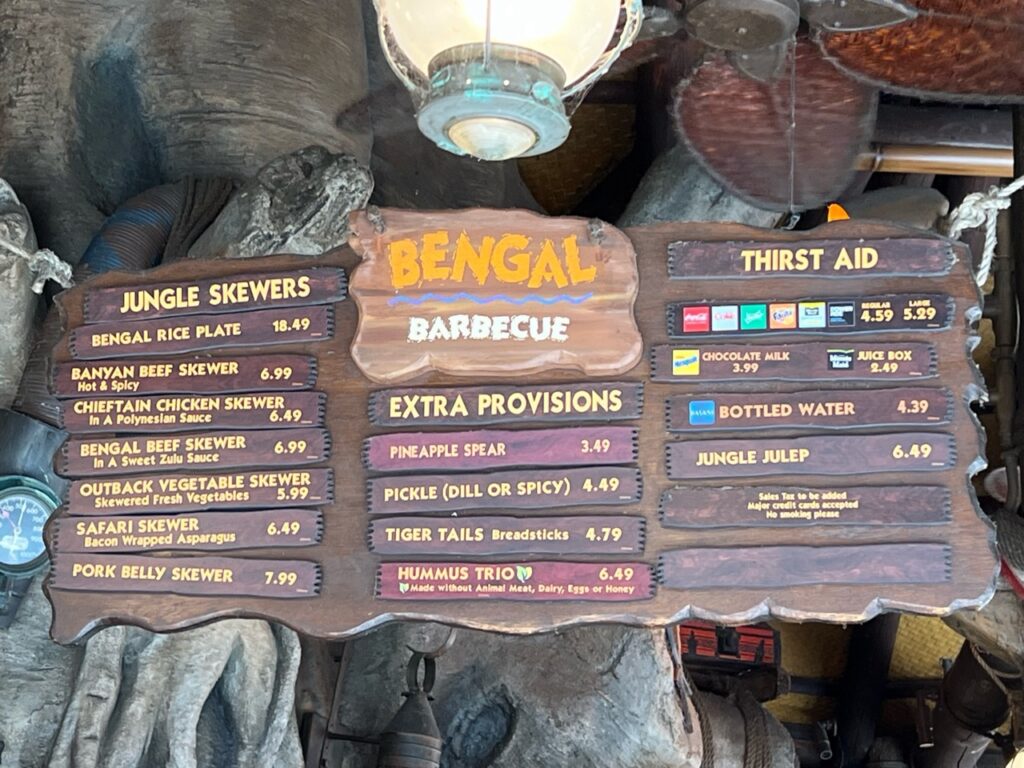
FAM means familiarization. Suppliers and tourism boards offer discounted travel so you can try out their products. Some trips cost as little as $100 for an all-inclusive stay, and discounts are often between 40% and 80%. Card holders might also get deals like 50% off certain hotel rates or a free annual theme park ticket from some suppliers!
Here’s the catch, most of your time will be spent on site inspections, touring standard rooms, and meeting with sales managers. You won’t be relaxing with margaritas by the pool. Some trips are fully hosted, but others require you to pay for your own airfare or a reduced rate.
The IATAN card comes with strict requirements. You usually need to be affiliated with an accredited agency, work at least 20 hours a week selling travel, and earn at least $5,000 in net commissions over the past 12 months. Also, suppliers are not required to give agent discounts.
The reality check, that 20-hour weekly requirement is a genuine wall for true side hustlers. Don’t build your plan around perks. Build it around commissions and fees, then treat FAMs as a year-two bonus. And ask your host what’s available without the card, because plenty of suppliers offer FAMs based on host agency affiliation alone .
To make the most of your trip, take photos of the standard rooms, not just the fancy suites. Build strong connections with sales managers so you have someone to reach out to when a client needs help. Remember to send thank-you notes afterward, and create as much content as you can while you’re there.

Keep Your Receipts: The Tax Upside
In short, running a travel business from home can give you real tax deductions, but the rules for home offices are tougher than most people think.
- For a home office, the space has to be used only and regularly for your business. It can’t also be a guest room or a place for crafts. With the simplified method, you can claim $5 per square foot for up to 300 square feet, with a maximum of $1,500. The regular method lets you deduct a share of your rent or mortgage interest, utilities, and insurance based on how much of your home you use for work.
- You can deduct flights, hotels, car rentals, and conference fees if the trip is truly for business purposes.
- Computers, printers, and furniture you buy just for your business are fully deductible. If you use something for both personal and business reasons, you can only deduct the part used for business.
- You can also deduct mileage, gas, and car maintenance costs when you use your vehicle for business errands.
Expenses need to be necessary, reasonable, and common for your type of business. Before you try to deduct a trip to Disney, check with a CPA.
Most places don’t talk about taxes when you’re just starting out. If you keep a mileage log and open a separate account from your first month, you’ll be glad you did when tax season comes around!

Common Mistakes New Part-Time Agents Make
Most people don’t give up because they lack passion. They leave because they thought they’d make quick money, agreed to everything, and didn’t value their own time.
- Don’t treat this job like a discount club. Clients aren’t interested in your hotel deals. Focus on showing your expertise and providing great service.
- Don’t expect your commission right away. You get paid after your clients travel. Hold on to your regular paycheck and keep some savings set aside.
- Don’t choose a host agency just for a higher commission split. A 90% split isn’t always better than 80%. Look at training, supplier rates, support, fees, insurance, and contract details too.
- Don’t stay passive. If your Facebook page is quiet, you won’t get calls. Make sure to market yourself every week.
- Pay close attention to details. A single misspelled name on an international ticket can cost hundreds and destroy trust right away. Always triple-check names, dates, and confirmations.
- Ask plenty of questions. New agents often take the first request and rush ahead. For example, what does “quiet beach” mean to your client? Do they want adults-only, a spa, or something else? Find out what they really want.
- Set clear boundaries. If you answer texts at 11 p.m., clients will expect you to be available all the time. Be clear: “I review travel requests on weekday evenings between 6 and 8.” One experienced agent puts it simply: don’t take on more than you can handle.
- Don’t skip paperwork when booking for friends. A friend is still a client. Always use terms, invoices, insurance offers, and get payment authorization.
- Don’t forget to follow up. It’s easier to work with repeat travelers than to find new clients. Ask what they enjoyed, request a review, and keep track of their next trip.
- Don’t undervalue your time. If a booking takes a lot of hours but pays very little, you need to charge a fee.

Your First 30 Days
Week 1: Pick your niche and choose a name. Talk to at least three host agencies. Be sure to ask about commission splits, all fees, quotas, and who will own your client list.
Week 2: Sign with your chosen host agency. Register your business and get your EIN. Open a business bank account. Make sure you have E&O coverage and check your state’s seller-of-travel rules.
Week 3: Complete two free supplier certifications in your niche. Create an intake form and write simple terms. Decide on your research fee.
Week 4: Make a list of 100 people you know. Announce your business and send 20 personal messages. Book your first trip, even if it means taking a loss.
Don’t judge your entire business by day 90. The first three months are about building your skills, not making money.
Frequently Asked Questions
How much does it cost to start a travel agency as a side hustle?
Here are two straightforward numbers. In most states, you can start for under $400. Starting with a host agency usually costs between $0 and $200, plus monthly fees of $25 to $100. Once you include registration, insurance, a website, and marketing, your first year will likely cost between $500 and $1,500.
Here are two straightforward numbers. In most states, you can start for under $400. Starting with a host agency usually costs between $0 and $200, plus monthly fees of $25 to $100. Once you include registration, insurance, a website, and marketing, your first year will likely cost between $500 and $1,500.
Do I need a license to be a travel agent?
There is no federal license required, and most states do not require one either. However, California, Florida, Hawaii, and Washington require seller-of-travel registration, and Iowa requires agencies to register with the Secretary of State. Keep in mind that requirements may depend on where your clients live, not just your own location.
There is no federal license required, and most states do not require one either. However, California, Florida, Hawaii, and Washington require seller-of-travel registration, and Iowa requires agencies to register with the Secretary of State. Keep in mind that requirements may depend on where your clients live, not just your own location.
Can I do this while working full-time?
Yes, and this is how most agents get started. Review your employment agreement for any rules about outside work, avoid using your employer’s time or equipment, and set clear business hours along with a plan for handling urgent travel issues.
Yes, and this is how most agents get started. Review your employment agreement for any rules about outside work, avoid using your employer’s time or equipment, and set clear business hours along with a plan for handling urgent travel issues.
Part-time agents usually earn extra income, which is much less than full-time averages. For example, full-time hosted advisors with over three years of experience averaged $67,256. However, there is no set limit—one part-timer reported $1.5 million in sales.e part-timer reported $1.5 million in sales .
How long until I actually get paid?
You usually get paid 30 to 90 days after your client finishes their trip. Cruise commissions often arrive one to two weeks after the final payment, while hotels can take 10 to 60 days after the client returns home. Planning fees are different; you collect those upfront.
You usually get paid 30 to 90 days after your client finishes their trip. Cruise commissions often arrive one to two weeks after the final payment, while hotels can take 10 to 60 days after the client returns home. Planning fees are different; you collect those upfront.
Do I need experience or a degree?
No, you do not need experience or a degree. Most host agencies welcome beginners and offer training. Free supplier programs, such as the College of Disney Knowledge, can also help you learn what you need.
No, you do not need experience or a degree. Most host agencies welcome beginners and offer training. Free supplier programs, such as the College of Disney Knowledge, can also help you learn what you need.
Host agency or my own accreditation?
For a side hustle, joining a host agency is usually best. Their larger sales volume means you get better commission rates than you would on your own, even after sharing the commission. Getting your own IATA accreditation costs thousands each year, while CLIA is less expensive.
For a side hustle, joining a host agency is usually best. Their larger sales volume means you get better commission rates than you would on your own, even after sharing the commission. Getting your own IATA accreditation costs thousands each year, while CLIA is less expensive.
How do I spot a travel MLM or scam?
If your income relies on recruiting others instead of selling travel, it is likely a pyramid scheme. Be cautious of big promises about earnings and any pressure to sign up right away. Always check for IATA, CLIA, and ASTA accreditation.
If your income relies on recruiting others instead of selling travel, it is likely a pyramid scheme. Be cautious of big promises about earnings and any pressure to sign up right away. Always check for IATA, CLIA, and ASTA accreditation.

The Bottom Line
What stood out to me after reading everything is that starting a travel agency is easier than ever. That’s both a big opportunity and a real challenge. Anyone can launch a travel agency as a side hustle right now. But very few make it past the fourth month. Most people expect to get paid before the trip happens, say yes to every request, and never charge for their time!
You don’t have to follow that path.
Pick a niche you truly enjoy, find a host agency that is available when you need help, set a fee you feel confident sharing, and have the patience to let your first bookings help you learn your own process!
Start small. Choose one niche and one host, and make your choice carefully. Finish your training, complete your paperwork, protect your clients, and do some marketing every week. Don’t wait for the perfect logo or website. Your first version just needs to look professional, be trustworthy, and work well.
Travel is one of the few industries where a side project can grow into a real business, all because people trust you. One well-planned vacation can lead to a review, a repeat client, and several referrals!
Right now, someone you know is planning a trip and wishing they had someone to help. You can be that person. Reach out tonight!