You can absolutely visit Hawaii on $100 a day, and you won’t have to settle for eating crackers in a parking lot to make it work. The key is to make a few important decisions before you book your trip, then let the islands take care of the rest. Here’s something most people don’t think about, the best things about Hawaii don’t cost anything!
I’ve gone through just about every budget Hawaii guide you’ll find on the first page of Google. Most of them just mention high hotel prices, suggest finding deals, and leave it at that. That’s not really a plan, it’s more like giving up.
Let’s put together a real plan instead. There’s actually one expense that ends up costing more than airfare for many people, and most people don’t even know it! I’ll cover that soon, so keep reading.
What Hawaii on a $100 Per Day Budget Actually Buys You
Let’s look at the real numbers before we start dreaming about sunsets.
Here’s what a realistic budget looks like for a traveler in 2026:
- Lodging: $40 to $50 per person, per night
- Food: $25 to $35 per day
- Transportation: $7.50 to $10 per day
- Activities: $0 to $15 per day
- Cushion for the unexpected: $5 to $12
That puts you at about $100. Airfare isn’t included here, since the cost to fly across the Pacific depends on where you live and when you travel.
Here’s one more tip that makes a big difference, think of $100 as your weekly average, not a strict daily limit. Some days you might spend just $55. On days when you snorkel at Hanauma Bay and eat out twice, you could spend $150. Both are okay. If you budget by the week, you won’t stress over every single purchase.
Those that say you can get by on $85 a day for backpackers are technically right, but not very realistic. They expect you to stay in hostel dorms, skip having a car, and avoid paid activities. That’s a very bare-bones Hawaii. The version I’ll show you includes a day for snorkeling, renting a car, and enjoying some shave ice.
Pick Oahu (This single choice can save you half your budget)
If you remember just one thing from this guide, let it be this: which island you choose matters more than any coupon, travel hack, or discount code.
Oahu is by far the most affordable Hawaiian island to visit. For two people, a week with airfare, hotel, and a rental car costs about $2,884 on Oahu, which is much less than the other islands.
Here’s why Oahu stands out:
- Oahu has real public transit. With TheBus and the Skyline rail, you can truly get around without renting a car. No other Hawaiian island offers this.
- Competition on everything. More hotels, more hostels, more grocery stores, more plate lunch counters all fighting for your money.
- Hotel prices are better on Oahu. Across Hawaii, the average hotel costs about $370 a night, but on Oahu it’s closer to $270. If you go for a midscale or economy room, you’ll pay around $126, which is about 43 percent less than the statewide average for that type of room.
- You can fly nonstop to Oahu, so you arrive right where you’ll be staying. There’s no need to pay extra for interisland flights.
Here’s How the Other Islands Compare:
Kauai is beautiful, and the free activities are top-notch—think beaches, hiking trails, and Waimea Canyon lookouts. But you’ll need a car, and affordable places to stay are hard to find. You might manage $100 a day if you camp or find a private room.
The Big Island looks cheap at first, but it can get expensive because it’s so large and you’ll spend a lot on gas traveling between places like Kona and Volcanoes. One real perk that’s often overlooked is the Hele-On bus, which is free across the island, including service from Kona to Hilo. However, groceries can be pricey—locals say bread can cost nearly $10 a loaf!
Maui is the toughest island to visit on a $100-a-day budget. It’s better to save Maui for a trip when you can spend more.
Avoid Island Hopping
I get it, it’s tempting to visit more than one island. But it’s an easy way to blow your budget. Visiting a second island means paying for another flight, more transfers, extra bag fees, another booking, another rental car, and losing two half-days of vacation you’ve already paid for.
Interisland flights usually cost about $150 one way if you book within a couple of weeks, though you might find fares from Honolulu to Kauai or Hilo for $64 to $65 if you book well in advance. Spending seven days on one island is always better than splitting four days between two.
To be honest, every top guide says Oahu is the cheapest, but they often suggest Kauai is worth the extra cost. I think if your budget is $100 a day, choose Oahu and stay longer!
The Sneaky Budget Killer: Resort Fees, Parking, and the 2026 Green Fee
Most guides leave this part out, but it is often what trips up travelers who think they have planned everything perfectly.
Resort Fees and Parking Costs Can Add Up Quickly
In Waikiki and Honolulu, many full-service hotels charge resort fees of about $45 to $65 per night. Self-parking at hotels usually costs between $30 and $50 per night, with the average around $44.49.
If you add it up, a $50 resort fee and $70 for parking each night can cost you about $840 over a week-long stay, even before you spend anything on food or activities. That could easily be your whole food budget for the trip.
Hawaii Increased Its Lodging Taxes In 2026
Starting January 1, 2026, Hawaii increased its statewide Transient Accommodations Tax from 10.25% to 11%. The extra 0.75% is called the Green Fee, the first climate impact fee in the country, created by Act 96. Counties can add up to a 3% surcharge, and all four counties that charge the TAT chose the maximum.
In practice, after the General Excise Tax is added, lodging taxes come to about 18.7%. For a $400 room, the Green Fee is about $3 per night, but you will not see it listed separately since it is included in your total tax. This higher rate will stay in place until 2030.
How to Handle These Extra Costs
- Look for places to stay that do not charge extra fees. Hostels and most small rentals usually skip resort fees. Choosing these options can save you as much as $60 a day.
- Always calculate the full cost, not just the nightly rate. Add up the room price, resort fee, parking, and about 19% tax, then compare the total.
- If you do not rent a car, you will not have to pay for parking. On Oahu, this is a realistic choice.
- Call the hotel or rental directly. Sometimes you can get a better rate than what you see online just by asking over the phone.
In my opinion, resort fees are the most overlooked risk when traveling to Hawaii, and it really bothers me. People focus on airfare, which you can manage by being flexible with your dates, but they ignore the nightly fees that add up fast. Take care of your lodging costs first, then worry about airfare.
Where to Sleep for $40 to $50 a Night
Where you sleep can make your trip feel either comfortable or unpleasant.
Hostels Are Your Best Option
Waikiki has real hostel inventory. Dorm beds start around $34 a night at some properties. Another Waikiki hostel lists dorms from $52 up to $135 for a two-room private apartment, with discounts for longer stays. Aggregator data shows Honolulu hostels from about $61.
Here’s the best free tip in this guide: According to Honolulu hostel data, Tuesday is the cheapest night to check in, averaging about $44. In contrast, Friday averages around $162 for the same bed. That is a 3.6 times difference. If you can, change your arrival day to save money.
Before booking, check for taxes, booking fees, locker availability, kitchen access, how close it is to a bus stop, and if breakfast is included. Sometimes, a $48 bed with extra fees can end up costing more than a $55 bed that includes a kitchen and breakfast.
Share a Room With a Kitchen
Renting a place or condo with a kitchen usually costs $10 to $30 more per night than a basic room, but you can save $20 to $40 a day on food. By the second day, the kitchen pays for itself.
Here’s a bonus tip, some Hawaii vacation condo programs give you a Foodland Maikai key tag at check-in. This tag gets you 10% off purchases of $50 or more on produce, meat, and seafood, plus member prices throughout the store. Ask about it at the front desk.
Camping Is the Best Option for a Very Tight Budget
Camping at Oahu county beach parks costs about $10 per day plus fees. A three-day permit is $32.75, and a five-day permit is $53.22. You can book at camping.honolulu.gov. Permits become available online at 5pm HST, two weeks before your dates. Starting July 1, 2026, Honolulu increased camping permit admin fees from $2 to $5. State parks cost $30 a night for non-residents and cover up to 10 people per site.
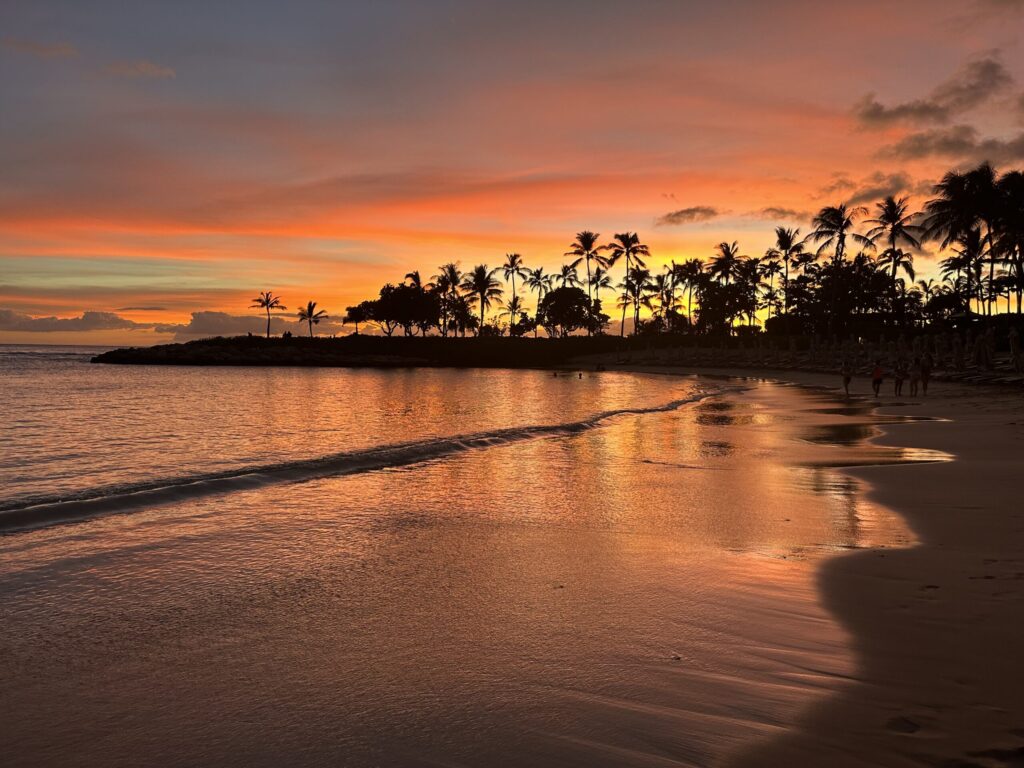
Camping is not for everyone. Still, waking up with the ocean just twenty feet away for about eleven dollars is something special.
One important rule to remember, never sleep on a beach or in a parked car without a permit. It’s illegal, uncomfortable, and can cause problems with local residents.
Getting Around Without Torching the Budget
If you want to save money, using Honolulu’s public transit is your best option.
Get a HOLO Card On Day One
- There’s a daily fare cap: after you spend $7.50 in one day, you can ride TheBus and Skyline for free for the rest of that day.
- With a two-hour pass, you can make short trips without paying extra for each ride.
- Cash is worse. Cash bus fare rose to $3.25 as of July 1, 2026, and it no longer includes transfer benefits. Drivers carry no change.
- You can now take the Skyline train straight from the airport, since the second segment with the Daniel K. Inouye International Airport station opened on October 16, 2025.
- You can buy a HOLO card at vending machines in any Skyline station or at ABC Stores in Waikiki.
By comparison, renting a car in Honolulu usually costs about $52 a day, with the cheapest options between $32 and $41. Parking adds another $44 per night, so you could end up spending around $95 a day just to drive. That can eat up your entire budget.
The Hybrid Strategy I Would Actually Use
Spend your days in Waikiki without a car. When you want to explore the island, rent a car for just one day to visit places like the North Shore and Windward coast.
Renting for one day at $52 is much cheaper than renting for a week, and you avoid paying for parking on the other days. If you share the cost with hostel roommates, it can be almost free.
I suggest only renting a car when you really need one. Usually public transportation or walking is enough and will save you a ton!
Biki bikeshare is a great way to get around Waikiki and Honolulu, with about 1,300 bikes at 130 stations. A 30-minute ride costs $5, a 24-hour Jumper pass is $20, and don’t forget to walk! Waikiki is small enough to explore on foot, and walking lets you notice things like the shade from banyan trees, the scent of plumeria, surfboards under balconies, and little food counters hidden between the big shops.
Eating Well on $25 to $35 a Day
Most people are surprised to find that affordable food in Hawaii is actually really good! You’re not missing out by choosing budget options.
The Formula That Works
Prepare your own breakfast, pack a lunch from groceries, and eat out for one meal. With two homemade meals and one affordable meal out, you can keep your daily food costs around $30.
Some places suggest eating out for dinner, but it’s better to make lunch your meal out. You get the same food for a lower price, and many places offer early dining or special lunch discounts.
Here’s an example of how your day could look:
- Breakfast, oatmeal and fruit and coffee: about $3
- Packed lunch from the grocery run: about $5
- Dinner out, such as a plate lunch, poke, or udon: $10 to $15
- A shave ice or another snack: about $4
What Ten Dollars Actually Buys
- A Foodland poke bowl with one choice and rice costs $7.99. It might be the best value meal on the island.
- Guava chicken plate lunch: $9.95
- Kalbi short rib single set plate: $9.95
- Mini plate lunches: around $9
- Rainbow Drive-In plate lunch: roughly $13 to $17
- Fish market plates: $6 to $20
- 7-Eleven Spam musubi costs just a couple of dollars, and locals really do eat it!
Sign up for Foodland’s Maikai program. It’s free! With 250 points, you get 5% off groceries, and with 500 points, you get 10% off. Signing up only takes about thirty seconds!
Shop Like a Resident
Instead of buying everything at the nearest Waikiki convenience store, compare prices at different places. Foodland, Times, Safeway, Walmart, Target, and Costco (for groups) all offer better prices than tourist shops.
Here’s a local tip, Foodland marks down fresh items around 4pm, so if you go then, you can get even better deals at the poke counter!
Order water instead of cocktails. Two $18 mai tais can take up half of your daily food budget.
Don’t cook every meal! You did not travel all the way to Hawaii just to cook pasta. Make breakfast, pack your lunch, eat out once, and choose a local spot instead of a tourist restaurant. That’s the key!
Free and Nearly-Free Things That Fill Your Days
Hawaii is incredibly generous to travelers on a budget. Every beach here is free and open to everyone by law, even those in front of the most luxurious resorts. It’s honestly the best deal in American tourism!
Completely Free
- The Kuhio Beach Hula Show happens at the Hula Mound near the Duke Kahanamoku statue on Saturdays from 6:30 to 7:30pm. Just so you know, the Tuesday shows stopped after June 2026.
- You can catch the Kilohana Hula Show at the Waikiki Shell in Kapiolani Park in the mornings, usually from 9:30 to 10:30.
- O Na Lani Sunset Stories take place at the International Market Place courtyard on Monday, Wednesday, and Friday evenings.
- Hula Kahiko is performed at the Royal Hawaiian Center courtyard on Tuesdays, Wednesdays, Fridays, and Saturdays from 5:30 to 6:30pm.
- You can join free cultural classes at the Royal Hawaiian Center and Waikiki Beach Walk, including hula, lei making, lauhala weaving, and uThe USS Arizona Memorial is free if you reserve ahead, and you can also visit the free Pearl Harbor exhibits about the events leading up to and during the attack.p and the attack.
- Capitol Modern, also known as the Hawaii State Art Museum, offers free admission and activities.
- You can visit the Hawaii Army Museum, explore Hoomaluhia Botanical Garden, and watch Friday night fireworks at Hilton Hawaiian Village—all for free.
- On the North Shore, don’t miss Waimea Bay for cliff jumping, snorkeling at Shark’s Cove, hiking the Ehukai Pillbox trail, visiting Puu o Mahuka Heiau, exploring Haleiwa town, and spotting sea turtles at Laniakea.
- Other great spots include: Manoa Falls, the Makapuu Lighthouse Trail, Lanikai Beach, Kailua Beach, and Ala Moana Beach Park!
You can find free parking if you know where to look. Ala Moana Beach Park and Kapiolani Park have the closest free lots to central Waikiki, and most county beach parks across the islands offer free parking too. Try to arrive before 8am on weekends, since lots fill up quickly!
Cheap With a Reservation
Diamond Head costs $5 per person for non-residents, plus $10 per vehicle, and you have to book online. Tickets aren’t sold at the gate. Reservations open 30 days in advance in two-hour time slots.
Book an entry-only reservation and take the bus or a Biki bike. Parking fills up fast, but entry spots are usually still available after parking is gone.
Hanauma Bay costs $25 for non-residents age 13 and up, plus a 2.35% online fee and $3 for non-resident parking. It’s free for Hawaii residents, active military and their families, and kids 12 and under. Reservations open two days ahead and sell out quickly.
The Luau Question
Oahu luaus cost between $109 and $260 per person. That’s one or two full days of your budget just for a buffet and a fire dancer.
Most people agree, watch a free hula show in Waikiki, then eat at a real local Hawaiian restaurant, and you’ll get most of the experience for a fraction of the price!
I’d skip the luau if you’re on a $100-a-day budget, not because it’s not worth it, but because spending a morning at Shark’s Cove with a $20 snorkel set, floating above sea turtles that don’t even notice you, makes for a better memory than any buffet. If you’re going to splurge, do it on the water, not a show.
Timing Is Its Own Discount
The time of year you travel can change your daily costs by as much as 30%.
- You’ll usually find the lowest prices on flights and hotels in April, May, September, and October.
- March, which falls between surf season and spring break, and the months from September to November often come up as cheaper times to travel.
- Flights to Hawaii Island are usually cheapest in September. For Honolulu, some data shows February as the best month for low fares.
- Try to avoid traveling in December, during major holidays, or when schools are on break.
- Late summer is usually less expensive than traveling in the middle of summer.
For airfare, the best time to book is usually 40 to 50 days before you leave. Flying out on a Monday, Tuesday, or Wednesday is about 13% cheaper than leaving on the weekend. Once you know your travel dates, set a price alert. Check prices for flights and hotels together so you don’t save on one and overspend on the other.
A Real Seven-Day Oahu Week at $100 Per Day
| Day | Plan | Rough Cost |
|---|---|---|
| 1 (Tuesday arrival) | Skyline from the airport, hostel check-in, Foodland run, sunset on Waikiki Beach | $60 |
| 2 | Diamond Head with entry-only reservation and bus in, free hula show, cook dinner | $75 |
| 3 | Hanauma Bay snorkel, plate lunch out | $110 |
| 4 | The one rental car day: North Shore loop, Waimea Bay, Haleiwa, Windward coast | $140 |
| 5 | Pearl Harbor free memorial, Capitol Modern, groceries | $65 |
| 6 | Biki day pass, Kapiolani Park, Kilohana Hula Show, beach afternoon | $80 |
| 7 | Lanikai by bus, packed picnic, last sunset | $60 |
On average each week, you’ll spend about $84 to $100 a day, which gives you some flexibility.
Pay attention to the pattern: two low-cost days cover the cost of each expensive day. That balance is the key.
Costs People Often Forget to Budget For
We know all about flights, hotels, and food. But these are the extra costs that can really throw off your plans:
- Lodging taxes near 19%
- Resort, destination, and cleaning fees
- Parking
- Checked bag charges
- Airport meals
- Sunscreen and toiletries at island markups
- Laundry and locker fees
- Reservation processing fees
- Snorkel gear
- Tips
- Travel insurance
- Emergency transportation
Try to set aside $50 to $75 for the week. If you end up not needing it, you can treat yourself to one last great meal without worrying about the bill.
Smart Packing Tips to Save Money
What you pack can have a big impact on how much you spend each day.
- Pack your own snorkel set. Renting one every day can get expensive.
- Bring reef-safe sunscreen from home. Toiletries cost much more on the island, and reef-safe options are expected here.
- Take a reusable water bottle, some utensils, and a collapsible container so you can pack your own lunches.
- If your ticket allows, travel with just a carry-on to avoid paying extra bag fees.
- Download maps to use offline, since free Wi-Fi is hard to find once you leave your hotel.
- Choose a garden or interior room in a good location instead of paying extra for an ocean view you probably won’t use much.

Frequently Asked Questions
Is $100 a day enough for Hawaii?
Yes, on Oahu, you can manage on $100 a day if you stay in a hostel or shared lodging, cook most of your meals, use TheBus, and focus on free activities. Most people spend about $95 to $100 a day, not counting airfare. Think of this as an average for the week, not a strict daily limit.
What is the cheapest Hawaiian island to visit?
Oahu is the cheapest. For two people, a week with flights, hotel, and a rental car costs about $2,884, which is the lowest among the main islands. Oahu also has the best public transit, so you can get around without renting a car.
How much does a week in Hawaii cost on a budget?
One example trip to Oahu cost $736 for a week, a little over $100 a day, not including airfare. Visiting three islands over six nights has been done for about $1,300 per person, including everything.
Can a couple do Hawaii on a $100 per day budget?
Yes, and it can actually be easier for a couple than for a solo traveler. If a room costs $80 to $100, you each pay $40 to $50. You can also split the cost of groceries, sunscreen, snorkel gear, and rides.
Do I need a rental car in Hawaii?
You don’t need a rental car on Oahu. TheBus and Skyline can take you almost anywhere for a daily fare cap of $7.50. On Kauai, Maui, and the Big Island, you’ll need a car, but the Hele-On bus on the Big Island is free across the island.
How much is Diamond Head?
It costs $5 per person for non-residents and $10 per vehicle to park. You need to reserve online up to 30 days ahead. Hawaii residents and children under 3 get in free! To avoid parking issues, book entry only and take the bus.
How much does Hanauma Bay cost?
For non-residents age 13 and up, the cost is $25, plus a 2.35% online payment fee and $3 for parking. Non-residents must make a reservation, which opens two days in advance.
What is Hawaii’s Green Fee, and do I pay it?
Yes, you pay it automatically. The Green Fee is a 0.75% increase to the state lodging tax, starting January 1, 2026, raising the state TAT to 11%. With county surcharges and GET, the total lodging tax can be close to 19%. This fee is in place until 2030.
When is the cheapest time to visit Hawaii?
April, May, September, and October usually have the lowest flight and hotel prices. March and September to November are also good times. Try to book your flights 40 to 50 days ahead and fly midweek for the best deals.
The Bottom Line
After reading everything I could find online, this is what really stands out to me.
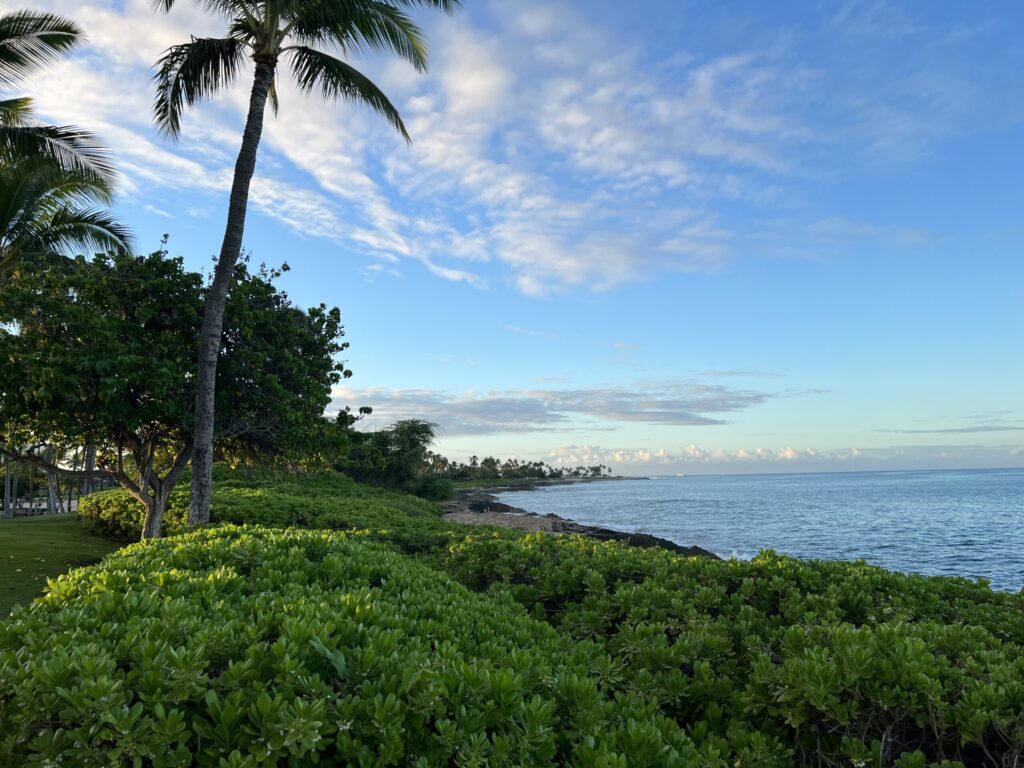
Expensive Hawaii and budget Hawaii are really the same place. The water is the same. The cliffs still turn purple at dusk. The warm rain still falls for a minute and leaves a rainbow. The honu still drift by, not noticing you. The only real difference is how much you paid to be there.
Visiting Hawaii on $100 a day does not mean missing out. It just means choosing not to spend on things that do not matter. The resort fee is not the sunset, and the valet is not the trail.
Here’s a simple plan: choose Oahu and plan for a longer stay. Find a place to stay that doesn’t charge extra fees and has a kitchen, and try to arrive on a Tuesday. Get a HOLO card for public transit and rent a car for just one day. Cook two meals each day, eat out once, and make that meal lunch. Reserve your spots at Diamond Head and Hanauma Bay ahead of time, then keep the rest of your schedule open. The best months to visit are April, May, September, or October.
If you follow these six tips, $100 a day will not feel like a limit. It will feel like a secret trick, because you will be enjoying the same places as people who spent four times more. Go ahead and book your flight. Aloha!