A cruise travel agent is a travel advisor who specializes in selling cruise vacations, typically earning 10–16% commission on the commissionable portion of each fare. You don’t need a degree, and most states don’t require a license. You join a host agency, complete cruise line and CLIA training, and start booking. Most agents begin part-time from home and are taking client inquiries within a couple weeks.
Why Choose a Career as a Cruise Travel Agent?
Cruises are more popular than ever, offering travelers all-inclusive experiences that combine relaxation, adventure, and luxury. For aspiring travel agents, this means endless opportunities to tap into a booming market. As a cruise travel agent, you’ll do more than just book trips—you’ll create unforgettable experiences, build lasting relationships with clients, and enjoy the flexibility of working from anywhere. Plus, you’ll gain access to exclusive perks like discounted cruises and insider knowledge of the industry.
In this guide, we’ll explore the steps to becoming a cruise travel agent, the skills and certifications you’ll need, and how to market yourself effectively in this competitive but rewarding field!
What Does a Cruise Travel Agent Actually Do?
A cruise travel agent helps travelers find the right cruise line, ship, cabin, and itinerary, then handles the reservation from the deposit to after the trip. Booking is quick, but the real skill is in everything else.
Here’s what your daily work really looks like, broken down into five main tasks.
Understanding what your client truly wants
Clients rarely know exactly what they want. They usually just say, “we want to do a cruise.” Your first task is to figure out what that means by asking about their budget, travel dates, nearby departure ports, ages, activity level, dining preferences, accessibility needs, passport status, and whether they’ve cruised before.
A client who says “we want the best cruise,” they haven’t really told you anything. The best ship for a honeymooning couple would be a poor choice for a family with a toddler and a grandmother who has mobility challenges.
Each cruise line has its own personality, and even ships in the same fleet can feel unique. Royal Caribbean’s Icon-class ships are like floating theme parks. Viking is adults-only, has no casino, and focuses on destinations. Virgin Voyages is also adults-only but offers a totally different atmosphere.
If you send a quiet couple who loves food and culture onto a huge ship with waterslides and nightly foam parties, you’ll lose them as clients, even if you booked what they asked for.
Helping clients choose the right cabin
This is where your expertise stands out. You’ll explain the differences between interior, ocean view, balcony, and suite cabins, connecting versus adjacent rooms, guaranteed cabins, obstructed views, accessible staterooms, solo cabins, and why cabins at the front of the ship feel more movement than those in the middle.
For example, a cabin right below the nightclub might seem like a great deal until your client hears loud music at 1 a.m. every night during their week-long cruise. You knew about this; they didn’t. That’s your job.
Handling the reservation process
Cruise bookings involve lots of deadlines. You’ll need to keep track of deposits, final payments, passenger names matching passports, birthdates, promo terms, dining preferences, loyalty numbers, insurance, flights, transfers, hotels, online check-in, and travel documents.
Missing a final payment date can automatically cancel a booking. You’ll need a CRM, and not just eventually—get one as soon as you have more than five active reservations.
Helping clients before, during, and after their cruise
You’ll help with drink packages, gratuities, Wi-Fi plans, shore excursions, passport rules, embarkation logistics, packing tips, and what to do if a flight is canceled or a port is skipped.
Let clients know your response times and set up an emergency contact process. Being available all the time might seem like good service, but it can lead to burnout after a few months.
How Much Do Cruise Travel Agents Make?
Most cruise lines offer a base commission of 10 to 16 percent of the commissionable fare. If you are a high-volume or preferred agent, you can earn 18 to 22 percent on luxury brands. Your host agency usually splits this with you, often giving you 70 to 80 percent of the commission. How much you actually earn depends on your sales volume, the types of cruises you sell, and your commission split.
Commission by cruise category
Category
Base commission
Preferred/high-volume
Example lines
Mass market
10–13%
15–16%
Carnival, Royal Caribbean, NCL
Premium
12–15%
16–18%
Celebrity, Princess, Holland America
Luxury
15–18%
18–22%
Silversea, Regent, Seabourn
River
12–15%
15–18%
Viking, AmaWaterways, Uniworld
Expedition
12–16%
16–20%
Hurtigruten, Ponant, Lindblad
Luxury and river cruises can be especially profitable. For example, earning a 15% commission on a $30,000 river cruise for two is much better than getting 13% on a $3,000 Caribbean trip. Plus, these clients usually know what they want, which makes your job easier.
How much full-time cruise agents really make
According to Host Agency Reviews, full-time hosted advisors earn about $44,127 on average in their first three to five years. Those with more experience usually make between $66,000 and $79,000. If you focus on a strong niche or luxury clients, you could earn $100,000 or more.
These numbers are industry averages for all types of travel, so they are not guaranteed. Your actual income will depend on how many qualified clients you find and what you sell. Plan to spend your first year building your business, not focusing on income.
What Are Non-Commissionable Fares, and Why Do They Matter So Much?
Non-commissionable fares, or NCFs, are parts of the cruise fare that cruise lines do not include when calculating your commission. These usually cover port charges, government taxes, and fuel surcharges. Your commission is based only on the commissionable fare, not the total amount your client pays. Many new agents find this to be the most confusing part of selling cruises.
This is important to understand. For example, if a couple pays $5,000 for a cruise and $1,000 of that is non-commissionable, and your commission rate is 12%, here’s how it works:
Total client payment: $5,000
Commissionable fare: $4,000
Gross commission to the agency: $480
Your share at a 70/30 split: $336
Agency share: $144
You did not earn 12% of $5,000. Instead, you earned 70% of 12% of $4,000. Many new agents who miss this calculation often overestimate their first-year income by twice as much.
The NCF story is actively changing right now
This is the biggest current change in cruise selling, and it’s actually good news for agents.
Norwegian Cruise Line has removed NCFs completely. Starting December 26, 2025, for all sailings leaving on or after May 1, 2026, NCL will make the full cruise fare (except taxes) commissionable. They are the first major cruise line to do this. Oceania Cruises followed in May 2026.
These changes happened because of clear data. An ASTA report found that on some trips, NCFs had grown to 30–40% of the total fare, much higher than the 8–14% seen in earlier studies. For example, ASTA showed that on a $2,000 booking with $440 in taxes and NCFs, a 15% commission rate gives the advisor $234 instead of the $300 you might expect from the headline rate.
As a new agent, this means you should compare the real commission you’ll earn, not just the advertised rate. A cruise line offering 14% with no NCFs is better than one offering 16% if 30% of the fare is non-commissionable. Understanding this early on will help you earn more.
Virgin Voyages: A clear example of why this is important
Virgin Voyages pays its agents, known as First Mates, a flat 16% commission on voyage fare with no non-commissionable fares. Agents also earn 10% on pre-voyage add-ons like Shore Things, Bar Tab, hotels, flights, and spa treatments. To help with cash flow, commission on voyage fare starts 45 days before the trip for fully paid bookings, instead of waiting until after the ship sails.
In comparison, a traditional cruise line might pay a 13% base commission on a fare where 25% is set aside as non-commissionable fares, and payment comes 30 days after the cruise ends. The headline numbers may look similar, but the reality is very different.
When do you get paid?
Most cruise lines pay your commission after your client finishes their trip. So, if you book a cruise today for March 2027, you won’t get paid until spring 2027.
This gap in cash flow is the main reason new agents leave the business. Be ready for it. Most successful agents start part-time with another job to cover expenses, and they build a mix of near-term and future bookings.
Do You Need a License or Certification to Sell Cruises?
In the United States, cruise travel agents do not need a federal license or any certification to book their first cruise. Still, you must work with an accredited agency, and you might need to register as a Seller of Travel depending on where you or your clients are located.
Seller of Travel States
California, Florida, Hawaii, and Washington all require Seller of Travel registration. Some sources also include Iowa.
Many guides miss that registration can depend on where your business is located or where your clients live. For example, if you’re in Utah but sell to a client in California, you may still need to register.
Most host agencies have these registrations and cover their independent agents, but you should always check. Ask your host for their Seller of Travel numbers in writing and confirm that you are included.
ARC Accreditation
If you or your host agency sell air tickets in the US, you need ARC accreditation. Most new agents use their host’s ARC number instead of getting their own. Be sure to ask about this when you interview with a host, especially if you want to sell cruise and air packages together.
CLIA Membership and Certification
Cruise Lines International Association is the cruise industry’s professional home for agents and agencies. CLIA provides training, professional development, events, and the EMBARC identification credential.
Eligibility is important. You cannot sign up for CLIA as an individual on your own. To qualify for CLIA Individual Agent Membership, you need to be affiliated and in good standing with a CLIA Premier Agency Member or Travel Agency Member. The annual IAM dues are $139. CLIA also suggests earning at least $5,000 in cruise commissions in the previous 12 months, but some host agencies may waive this in your first year.
The CLIA Certification Ladder
CLIA offers four progressive credentials, and more than 29,000 have been awarded in North America:
Credential
Level
Typical timeline
CCC — Certified Cruise Counsellor
Entry
18 months from enrollment
ACC — Accredited Cruise Counsellor
Intermediate
2 years from enrollment
MCC — Master Cruise Counsellor
Advanced
2 years from enrollment
ECC — Elite Cruise Counsellor
Top tier
2 years from enrollment
To earn your CCC, you need to keep your CLIA Individual Agent Membership active, complete 11 required courses with passing quizzes, earn 30 elective credits, book five staterooms through a CLIA Travel Agency Member on a CLIA member line, take one personal cruise of at least two nights, and do one live or virtual ship inspection. You have 18 months to finish all of this.
For the ACC, you’ll need to do more: take extra CLIA course quizzes, complete a niche certificate program (like family or river cruises), attend Cruise360 or a CLIA learning event, earn the Travel Institute’s CTA designation, do five ship inspections, book 20 staterooms, and take two personal cruises of at least two nights. You have two years to complete these requirements.
You can earn elective credits by going to Cruise360 (40 credits), attending a full CLIA Live or Virtual Learning Event (30 credits each), or completing cruise line partner training.
Requirements can change each year, so check with CLIA for the latest details before you sign up and pay.
Should You Get Certified?
Not right away. Start by making bookings first. Certification builds your credibility and knowledge, but it’s most valuable after you’ve made some sales. Plus, some requirements (like stateroom bookings and personal cruises) expect you to already be working. A good order is to join a host agency, finish free cruise line training, book your first 10 clients, and then sign up for CCC.
Which Host Agency Should You Join?
A host agency gives you the tools you need to sell cruises, like accreditation, supplier connections, booking systems, training, and commission processing. In return, they take a share of your commission. Picking the right host is the most important early choice you’ll make.
What a Good Host Provides
Industry accreditation and supplier registration
Cruise line preferred-partner relationships
Help with bookings when problems come up
Structured training for beginners
Commission tracking and payment
Errors and omissions insurance
Access to a CRM and marketing tools
An active agent community
Seller of Travel coverage
15 Questions to Ask Before You Join
What’s the starting commission split, and how does it increase?
What setup, monthly, annual, or transaction fees apply?
When exactly are commissions paid to me?
Do you specialize in cruise, or is cruise incidental?
Which cruise lines are preferred suppliers?
Is cruise-specific training included, or extra?
Are you a CLIA Premier Agency Member or Travel Agency Member?
Do you provide leads? Are they exclusive? Any additional fee?
Who owns the client relationship — me or the agency?
What happens to my active bookings if I leave?
Is errors and omissions insurance included, and what are the exclusions?
Are there minimum booking or sales requirements?
Can I build my own brand and website?
Which Seller of Travel registrations cover me?
Do you hold ARC accreditation for air ticketing?
Make Sure You Read the Contract Carefully
Look closely at details like who owns the client relationship, when you get paid, how chargebacks are handled, any non-solicitation rules, all required fees, and what happens if you leave.
Here’s something most beginners don’t hear: a 90% commission split isn’t always better than a 70% split. If the 70% host offers real training, strong supplier relationships that mean higher base commissions, quick payments, and support when you need it, you can earn more than someone with a higher split but no help. Look at the total value, not just the percentage.
Which Cruise Lines Should You Learn First?
You don’t need to know every cruise brand right away. Begin with three to five that fit the clients you’re most likely to work with, and add more as you go. Here’s a look at how the main brands present themselves and which clients they suit best.
Royal Caribbean International
These ships are big and packed with activities, designed so the ship itself feels like the main attraction. Think waterslides, ice rinks, surf simulators, and Broadway-style shows.
Best for: active families, multigenerational groups, first-time cruisers, and anyone who prefers a lively atmosphere over a quiet ship.
2026 note: Icon of the Seas is no longer the main focus. Star of the Seas began sailing in August 2025 as the second Icon-class ship, with 248,663 gross tons and room for 5,610 guests at double occupancy. Legend of the Seas launched in July 2026 as the third in the class.
Carnival Cruise Line
Carnival offers a casual, lively, and budget-friendly experience. They sail from more North American homeports than any other line, which is a big plus for clients who prefer to drive instead of fly.
Best for: travelers on a budget, families, first-timers, people looking for short trips, and anyone who lives close enough to drive to a Carnival port.
Norwegian Cruise Line
Norwegian offers freestyle cruising, which means flexible dining, no assigned seats, and no formal nights. They also have plenty of solo cabins and special lounges just for solo travelers.
Best for: solo travelers, guests who don’t like assigned dining times, and groups where everyone wants to do their own thing.
2026 note: Norwegian Luna started sailing from Miami in 2026 as the second Prima Plus-class ship, and Norwegian Aura will follow in May 2027. Also, as mentioned earlier, NCL has removed NCFs, making them much more appealing to sell.
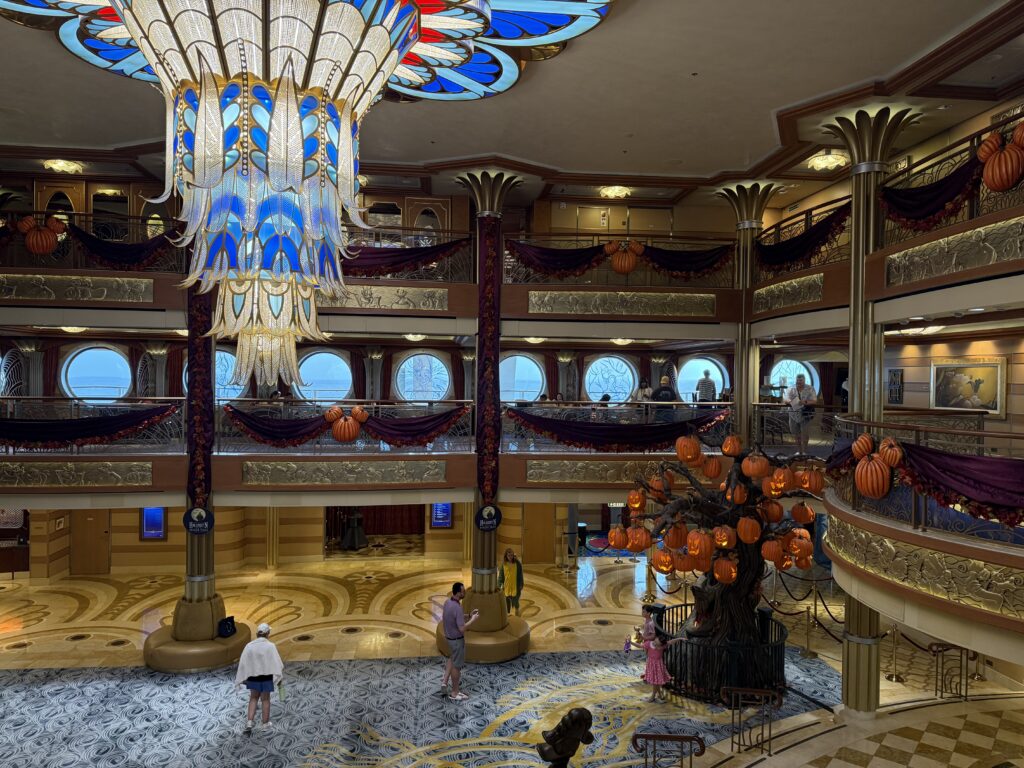
Disney Cruise Line
Disney brings its storytelling to sea, offering rotational dining, excellent kids’ clubs, and plenty of adults-only spaces so parents can relax too.
Best for: Disney fans, multigenerational families, and clients who are willing to pay more for top-notch service and entertainment.
2026 note:Disney Cruise Line now has eight ships. Destiny joined the fleet in 2025, and Disney Adventure began sailing from Singapore year-round in March 2026, marking Disney’s first permanent presence in Asia with space for 6,700 guests. Believe will arrive in 2027.
Celebrity Cruises
Celebrity offers a modern premium experience, with stylish ship designs, excellent food, itineraries focused on destinations, and an atmosphere that appeals more to adults.
Best for: couples, honeymooners, and adults who want a sophisticated experience without paying ultra-luxury prices.
Princess Cruises
Princess Cruises offers a wide range of destinations, with a special focus on Alaska. Their MedallionClass wearable technology makes things easier by replacing traditional key cards.
This line is a great choice for people traveling to Alaska, couples, families of different ages, and anyone who likes a slower, more relaxed vacation.
Virgin Voyages
Virgin Voyages is for adults only. Dining is included at many restaurants, with no buffets, no formal dress codes, and no children on board. It truly stands out from traditional cruises.
Best for: couples, friend groups, adults who’ve decided traditional cruising isn’t for them.
Agents appreciate Virgin Voyages for its straightforward 16% commission, no NCFs, 10% commission on pre-voyage add-ons, and the fact that commission is paid 45 days before the trip instead of after.
MSC Cruises
MSC Cruises brings a European style to cruising and is becoming more popular in North America, often offering very competitive prices.
MSC is a good fit for travelers looking for value, those interested in European routes, and anyone who wants big-ship features without paying high prices.
Looking ahead, MSC World America started sailing from PortMiami in April 2025 and can carry 6,764 guests. MSC World Atlantic will arrive at Port Canaveral for winter 2027, and MSC World Asia will debut in December 2026.
These luxury and river cruise brands offer much higher commissions per booking, and their clients usually know exactly what they want. However, they expect you to have strong knowledge of destinations and to provide very personalized service. They’re a good option to work toward as you gain experience.
What Are Cruise Private Destinations, and Why Do Agents Need to Know Them?
Private destinations are ports owned or leased by cruise lines just for their guests. These stops have become a top reason clients choose certain itineraries. In 2026, clients ask about them more than anything else, but most agents struggle to answer their questions.
Knowing about these destinations gives you a real advantage. Take the time to learn them.
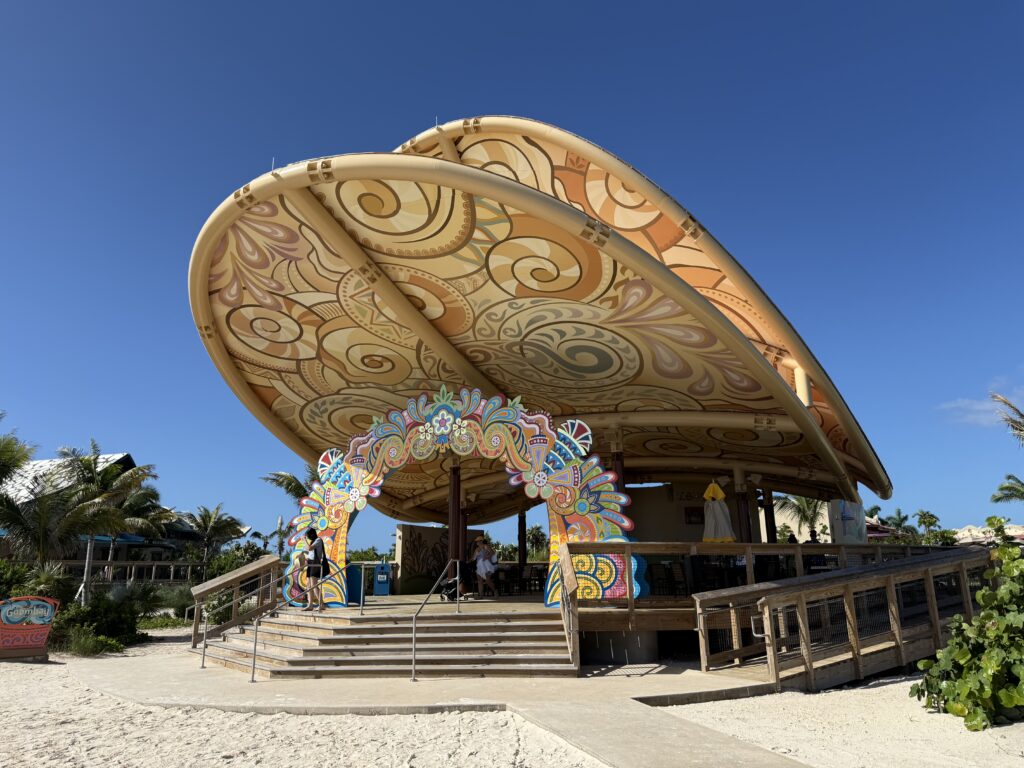
Celebration Key (Carnival, Grand Bahama)
Celebration Key opened on July 19, 2025, after a $600 million investment on Grand Bahama’s south side. It offers a mile of white sand beach, the Caribbea’’s largest freshwater lagoons, the worl’’s tallest sandcastle, the largest swim-up bar, and five themedareas called “portals.”.”
Carnival expects over two million guests each year at first, with numbers rising to four million by 2028. The second phase will add a waterpark and a zipline course.
Tip for selling: Beach access comes with the visit, but guests pay extra for alcohol and premium experiences. Make sure clients know this ahead of time.
Royal Beach Club Paradise Island (Royal Caribbean, Nassau)
Royal Beach Club Paradise Island welcomed guests starting December 27, 2025, with its official opening on January 7, 2026. It covers 17 acres of white-sand beach in the Bahamas.
Tip for selling: Access here is not included; guests sailing to Nassau need to buy a day pass. Children three and under enter free. Passes cover food, non-alcoholic drinks, fast Wi-Fi, round-trip transport from the cruise port, loungers, umbrellas, towels, and lockers. Passes can sell out, so book early.
Royal Beach Club Cozumel
Royal Beach Club Cozumel is set to open in 2026 and will complement the Paradise Island club.
Perfect Day Mexico (Royal Caribbean, Mahahual)
Perfect Day Mexico will fully open in September 2027 and will be Royal Caribbean’s largest private destination yet. The 230-acre site will replace the current Costa Maya port and is designed to welcome 20,000 to 21,000 guests each day, which is much more than the 13,000 guests CocoCay can host.
Royal Caribbean guests can enter for free and explore seven neighborhoods and 10 pools. Loco Water Park covers 15 acres and features 31 slides spread over five towers, including Jaguar Peak. There’s also a free lazy river with float-up bars that circles the area. Access to the water park, adults-only area, and premium beach club requires an extra fee.
This destination will be included on cruise itineraries from Galveston, New Orleans, and most Florida homeports. Many sailings will also visit Perfect Day at CocoCay during the same trip.
Which Cruise Niche Should You Specialize In?
If you try to market yourself to everyone, people are less likely to remember you. Choosing a niche gives someone a clear reason to call you instead of just booking online. You can still sell anything you want; picking a niche is just a marketing choice, not a limit.
Family Cruises
Help parents compare things like kids’ clubs by age, family cabin layouts, connecting rooms, water attractions, flexible dining, and nursery options. Parents often refer others, so word of mouth is strong in this group!
Luxury Cruises
Smaller ships, all-inclusive pricing, personalized service, unusual ports. Far higher commission per booking and clients who value expertise over price shopping.
River Cruises
Danube,River cruises visit places like the Danube, Rhine, Rhône, Douro, Seine, Nile, and Mekong. These trips focus on the destination, offer good commissions, and attract older clients who have both time and money. This is a great niche if you like history and culture!
Expedition cruises go to places like Antarctica, the Arctic, and the Galápagos. These are high-value trips where things like gear, physical fitness, and travel insurance are important. Clients really need your advice for these adventures.
Accessible Cruising
Accessible cruising covers things like accessible cabins, rules for mobility devices, port access, tender operations, medical equipment, and even dialysis at sea. This group is often overlooked, so your help is truly valued. Word of mouth is especially strong here.
Solo Cruising
Solo cruising means finding solo cabins, avoiding single supplements, and offering hosted meetups. It’s also about knowing which cruise lines welcome solo travelers and which ones only do the minimum.
Group Cruises
Group cruises can include family reunions, weddings, milestone birthdays, clubs, company trips, and faith groups. Sometimes, a single conversation can lead to booking 15 cabins. Learn about group contracts, amenity points, and tour conductor credits. This is how cruise agents grow their business.
Themed and Special Interest
runDisney at sea, music charters, wine cruises, LGBTQ+ charters, quilting and craft sailings, sports fan groups. Passionate communities that book together and return annually.
How Do You Get Experience and Actually See These Ships?
You build cruise experience by going on personal sailings, joining ship inspections, taking FAM trips, attending industry conferences, and completing cruise line training programs. Most of these have a cost, and nothing happens automatically, but your knowledge grows quickly!
FAM Trips: The Real Story
FAM means familiarization. These trips are offered to agents at a reduced rate or sometimes for free as a way to learn. They are a great benefit, but they’re not free vacations.
To be eligible, you usually need current industry credentials, agency membership, completed supplier training, some sales activity, and an approved application. Availability also depends on inventory and blackout dates. Even with a big discount, you often still pay taxes, port fees, airfare, hotels, tips, and meals. Treat these trips as work.
Visit as many cabin categories as you can. Go to the training sessions. Meet supplier reps and collect their business cards. Take lots of photos, videos, and detailed notes.
Use everything you learn to create content and recommendations that help you sell. Agents who return from a FAM with hundreds of photos and specific cabin advice win clients. An agent who comes back with a tan does not.
Ship inspections are shorter, less expensive, and easier to access than FAM trips. They are often available when a ship is docked at your closest homeport. CLIA also has virtual ship inspections at a discount for members, and these count toward certification requirements.
Cruise360
CLIA’s main North American conference is the best way to pack a year’s worth of learning into one week. The 2026 event, its 20th year, took place from April 21 to 26 at the Greater Fort Lauderdale/Broward County Convention Center. It featured cruise line showcases, product workshops, a trade show with about 110 exhibitors, and ship inspections on the final weekend. Attending earns you 40 CLIA elective credits.
Cruise360 Australasia will be held September 17 and 18, 2026, at ICC Sydney. Registration for the 2027 North America event will open in late 2026.
Cruise Line Training Portals
Almost every cruise line offers free online training for registered agents. Some examples are Royal Caribbean, Celebrity, Carnival, Princess, Holland America, Norwegian, Disney, Virgin Voyages, MSC, Viking, AmaWaterways, Regent, Silversea, Seabourn, and Explora Journeys.
Begin with the three to five brands that fit your target clients. Many training programs offer higher commissions, booking perks, or special agent rates after you finish them.
How Do You Find Cruise Clients?
Most host agencies won’t give you a steady stream of qualified leads. Attracting clients is your real job, and it’s what sets apart agents earning $8,000 from those making $80,000.
Effective ways to find clients
Create a website that’s easy to find and filled with helpful cruise information.
Join Facebook groups and focus on answering questions rather than selling.
Share short videos that show ships, cabins, and ports.
Send an email newsletter to both past and potential clients.
Get involved with local groups, churches, clubs, gyms, and schools.
Build referral partnerships with wedding planners and event coordinators.
Past-client referrals, which become your best source by year two.
Don’t just post deals. Focus on answering people’s questions.
Promotional posts don’t last and don’t build trust. When you answer real planning questions, you attract people who are ready to book.
Here are some questions worth answering:
Which cruise line is genuinely best for families with toddlers?
Is a balcony worth the money in Alaska?
What is a guaranteed cabin, and should you risk one?
Should you fly in the day before your cruise?
Are drink packages actually worth it?
Do you need a passport for a closed-loop cruise?
What happens if you miss the ship?
Which river cruise line is best for a first-timer?
The last question is a great example of helping in two ways. When you explain why flying in on embarkation morning is risky, you teach your client something useful, help protect their vacation, and can also book a pre-cruise hotel for them. Usually, good advice leads to good business!
Create a booking process you can use again and again
Client submits an inquiry form
You schedule a short consultation call
You collect dates, budget, group detailsYou research and share two or three options, not a dozentions — not twelve
You explain clearly what is and isn’t included
Client approves and accepts your terms in writing
You book through approved supplier systems
You log every deadline in your CRM immediately
You offer insurance and supporting arrangements
You send scheduled planning updates
You reconfirm details before departure
You follow up after and ask for a review or referral
Having good systems in place helps you manage 40 bookings instead of just four!
Common Mistakes New Cruise Agents Make
Choosing a host on split alone
A higher commission split usually means less support. Look at training, supplier relationships, payment speed, and contract terms as a whole before deciding.
Not understanding NCFs before quoting
If you don’t understand NCFs, you might expect more income than you’ll actually get. Learn how commissionable fares work before quoting, and compare cruise lines based on real commission, not just the advertised rate.
Ignoring the cash flow gap
Most commissions are paid after the cruise takes place. If you book a trip for next summer, you’ll get paid next summer. Plan your budget with this in mind and try to include some near-term sailings in your bookings.
Trying to learn every cruise line at once
It’s better to really know three to five cruise brands than to know a little about many. Clients will notice if you don’t have solid product knowledge during a consultation.
Quoting from memory
Cruise fares, promotions, and policies change all the time. Always double-check details before sending anything to a client in writing.
Promising free cruises
Agent rates and FAM trips come with rules, limited spots, and some costs. If you promise free cruises to others or yourself, it can lead to disappointment.
Bringing up travel insurance too late
Bring up travel insurance when you give a quote, explain it clearly, and make a note of the client’s choice. This helps protect both you and your client.
Not recommending pre-cruise arrival
If a client’s flight is delayed on embarkation day, they could miss the whole cruise. Always suggest arriving a day early, and make a note if they choose not to.
Handling payment information carelessly
Only use approved systems from your agency or suppliers for payments. Never keep card details in emails, texts, notes, or spreadsheets.
Expecting passive income
Clients want quick replies, follow-up, and help with problems. This is a service business. Agents who focus on service get referrals, while those who don’t often leave the business in their first year.
Frequently Asked Questions About Cruise Travel Agents
Can I sell cruises part-time?
Yes, you can, and that’s how most agents begin. You’ll still need to respond quickly and keep track of payment deadlines. Working part-time still requires a professional approach.
How much does it cost to start?
Costs vary a lot depending on the host agency. You might pay a setup fee, monthly or yearly membership, insurance, business registration, website and email costs, marketing, and possibly CLIA membership. Always ask for a full written fee list before you commit.
Do I need a license?
No federal license exists. Four states — California, Florida, Hawaii, and Washington — have Seller of Travel registration requirements that can be triggered by where you operate or where your clients live. Most hosts cover their agents; confirm in writing.
What is ARC accreditation?
ARC stands for Airlines Reporting Corporation accreditation, which you need to issue air tickets in the US. Most new agents use their host agency’s ARC number instead of getting their own.
Do host agencies provide leads?
Some host agencies provide leads, but many do not. Be sure to ask if leads are included, if they are just for you, and if there are extra fees or different commission rates for them.
Do cruise agents get free cruises?
Not by default. Qualified agents can sometimes get reduced rates, ship tours, or FAM trips, but these depend on your credentials, training, sales, and availability. Even with discounts, you’ll usually pay some costs yourself.
Can I book my own cruise as an agent?
Usually, yes, as long as your host agency and the cruise line allow it. You should not use personal bookings to try to meet sales goals or qualify for benefits.
Should I specialize in one cruise line?
Focusing on a niche can help your marketing, but sticking to just one cruise line limits your options for clients. Get to know several brands in your chosen area.
Can cruise agents book flights, hotels, and excursions?
Most full-service agents can book hotels, transfers, tours, insurance, and shore excursions. Booking flights depends on your host agency’s setup and ARC accreditation.
What happens if my client cancels?
The cruise line will follow its cancellation policy, and you might lose your expected commission. That’s why it’s important to talk about insurance early and keep a record of your client’s choice.
Do I need errors and omissions insurance?
You are not always legally required to have this insurance, but it protects you from professional liability claims. Check if your host agency covers you and what is not included.
Is this a salaried job?
Usually, no. Most cruise agents work as independent contractors and earn commissions, sometimes with extra service fees. Some storefront agencies hire employees, but that’s a separate setup.
How long until I’m making real money?
Most agents get their first client within a few weeks and start earning real income in 12 to 24 months. The key factor is not intelligence or passion, but how consistently you market yourself.
What’s Coming in 2027 and Beyond
It’s a good idea to save this information, since clients are likely to ask about it.
Here are some new ships to look out for: Norwegian Aura (May 2027), Carnival Festivale (May 2027, featuring the largest waterpark Carnival has ever built), Explora IV (April 2027), Disney Believe (2027), Oceania Sonata (August 2027), MSC World Atlantic (winter 2027), the successor to Celebrity Reflection launching in the Caribbean in March 2027, Orient Express Olympian (May 2027), and Amangati from Aman at Sea (May 2027).
There are also new destinations coming soon. Perfect Day Mexico, a 230-acre resort, will fully open in September 2027. Royal Beach Club Cozumel is set to open in 2026.
Looking at industry trends, CLIA expects about 42 million cruise passengers by 2028 to 2029, and luxury cruise capacity has more than tripled since 2010. More cruise lines are also getting rid of NCFs. These changes are good news for agents who focus on specialized services.
Ready to Start?
Here’s a straightforward timeline. In your first week, research and join a host agency. Spend weeks two to four finishing your onboarding and choose your first three cruise lines to train with.
In your second month, book your first client, who will likely be a friend or family member. From months three to six, focus on building your marketing routine. Once you have some sales experience, sign up for CLIA certification.
The process is simple, but the real challenge is staying consistent once the initial excitement fades. Take time to learn your products well, and treat every client as if they might refer you to three others.
Cruising is on the rise, and more clients want a specialist instead of just an online booking tool. Agents who build their expertise now can benefit from it for many years!
Ships are setting sail. Now is the time to join in!