
Learning how to become a travel agent in New Jersey is more accessible than many beginners expect.
New Jersey generally does not require a formal travel agent license, a college degree, or a mandatory certification to start.
Instead, the real path is setting up the business properly, getting access to booking tools, learning supplier systems, and building the confidence to serve clients professionally.
That is where our program can help. For beginners who do not want to figure everything out alone, we offer a supported way to start with training, supplier access, advisor tools, commissions, mentoring, and work-at-home flexibility.
With the right setup and support, a New Jersey travel agent can build a flexible business around real client needs.
So, what steps should you take to become a travel agent in New Jersey and start booking trips professionally?
Step #1 – What is Needed to Become a Travel Agent in New Jersey
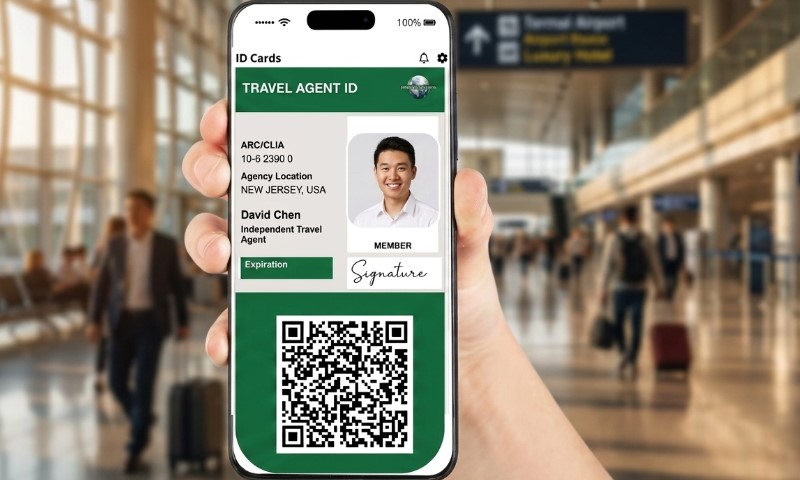
Learning how to become a travel agent in New Jersey starts with one important point: New Jersey generally does not require a formal travel agent license, college degree, or mandatory travel agent certification to start.
As you can see, the situation is the same as with most US states, including Oregon.
That does not mean a new New Jersey travel agent can ignore business compliance. Travel-agent licensing and business setup are separate.
A specific travel agent license may not be required, but business registration, taxes, records, permits, and insurance still matter.
Before taking paid clients, confirm current New Jersey business rules and set up a clean recordkeeping process.
Why is becoming a travel agent in New Jersey even a question?
Well, New Jersey is also a strong travel market in its own right.
In 2024, visitor activity supported 507,833 jobs in the state, or about 1 in 12 jobs, while visitor industry GDP reached $24.7 billion.
That gives a New Jersey travel agent a local market with real economic weight, not just a remote booking opportunity.
Step #2 – Choose a Host Agency or Independent Path
New advisors usually choose between joining a host agency and starting independently.
An independent travel agent handles supplier agreements, credentials, booking access, commission tracking, marketing systems, and administration alone. That can work, but it is harder for beginners.
A host agency gives a new advisor faster access to the tools and support needed to book travel.
- IATA number access
- Supplier contracts
- Training
- Booking tools
- Commission tracking
- Administrative support
- Marketing resources
- Mentorship and community
At Yeti Travel, we support advisors with training, CRM tools, commissions, work-at-home flexibility, supplier access, and advisor support.
Our Summit Plan includes a one-time fee, simple onboarding, 1v1 mentoring, CLIA access, lead generation, an advisor portal, and no monthly or yearly fees.
Supplier access also matters. We have relationships with more than 40 major travel companies, including Disney, Universal Studios, Royal Caribbean, Sandals, and Carnival.
That gives advisors strong options for theme parks, cruises, resorts, all-inclusive trips, and vacation packages.
Before choosing a host agency, compare:
- Startup or subscription fees
- Commission split
- IATA, CLIA, or supplier access
- Supplier relationships
- Training quality
- Technology platform
- Marketing support
- Contract terms
Low fees are helpful, but support, booking access, and training can matter more for a beginner.
Step #3 - Get Training and Certifications

Certification is usually optional for anyone who wants to become a travel agent in New Jersey. Training, though, is highly useful.
A New Jersey travel agent needs to know how to manage clients, compare options, explain policies, and avoid costly mistakes.
Strong training should cover:
- Booking systems
- Client management
- Customer service
- Sales
- Destination knowledge
- Supplier policies
- Travel insurance basics
- Ethics and professional standards
Some travel advisor programs include 40 or more hours of live small-group training. Other self-paced online programs may take around 50 to 70 hours to complete.
Optional certifications can help build credibility:
At Yeti Travel, we also encourage niche training. Advisors interested in Disney vacations can complete Disney’s College of Knowledge.
Advisors focused on Universal Studios can learn about park products, hotels, tickets, booking systems, and planning details.
Start with core skills first, then add niche training as your client base grows.
Step #4 - Create a Simple Business Plan
A business plan helps you organize how your travel business will operate, who you will serve, and how you will earn income.
Include these core pieces:
- Business name
- Target audience
- Niche
- Services offered
- Startup budget
- Recurring expenses
- Expected earnings
- Planning fees, if used
- Marketing strategy
Startup costs can include host-agency fees, a website, training, certification, marketing materials, business registration, and insurance.
A travel agent usually earns through supplier commissions.
Some advisors also charge planning fees for complex itineraries, group trips, destination weddings, or detailed custom planning.
A simple plan is enough at the start. Know your niche, your costs, your client type, and how you will market your services.
Interesting Fact: Domestic leisure travel generated $876 billion in spending in 2024, which shows why even a focused travel agent can build a business around families, couples, cruises, theme parks, group trips, or resort vacations.
Step #5 - Set Up Your Travel Business Tools
View this post on Instagram
Good tools help a New Jersey travel agent stay organized and professional.
Essential tools include:
- Professional email
- Website or landing page
- Client intake form
- CRM or client database
- Booking platform
- Payment or invoice system
- Social media profiles
- Quote templates
- Travel planning workflow
Travel planning involves deadlines, payments, supplier rules, confirmations, documents, and client preferences. Without a system, details can get missed.
A strong workflow should track:
- Client preferences
- Budgets
- Quotes
- Supplier details
- Payment deadlines
- Confirmation numbers
- Trip documents
- Post-booking support
IATA or CLIA access is also important because it can connect an advisor to booking channels, supplier recognition, and commissions.
Most beginners get access through a host agency.
Step #6 - Market Your Services and Find Clients
Marketing helps people know that you can plan and book their trips.
Beginner-friendly methods include:
- Referrals
- Social media
- Email marketing
- Local networking
- Partnerships with wedding planners, event planners, or local businesses
- Travel blog posts
- Community groups and local events
New Jersey gives advisors several local marketing angles:
- Honeymoons using New Jersey airports
- Family vacations using Newark, Philadelphia, or New York-area airports
- Jersey Shore weekend trips
- Cape May travel planning
- Cruises tied to New Jersey and nearby New York-area departures
Newark Liberty Airport handled about 48.9 million passengers in 2024, which means many New Jersey clients already have access to major domestic and international routes.
That can help a New Jersey travel agent market family vacations, honeymoons, cruises with flights, and all-inclusive packages around practical departure options.
At Yeti Travel, we encourage advisors to pair passion with consistency. Social posts, emails, referrals, and local partnerships can help create steady client interest.
Clear niche messaging works best. “I help New Jersey families plan Disney vacations and cruises” is stronger than simply saying, “I plan trips.”
Step #7 - Book Your First Clients

First bookings can be simple. Many beginners start with friends, family, referrals, or local clients.
A clean first-client process includes:
- Hold a discovery call.
- Ask about travel dates, budget, traveler ages, preferences, and must-haves.
- Research options.
- Send a clear quote.
- Review policies and payment deadlines.
- Complete the booking.
- Send confirmations.
- Support the client before travel.
- Follow up after the trip.
Practical experience helps new advisors learn faster. Internships, entry-level roles, or work with established agencies can teach supplier communication, client service, and booking best practices.
A travel agent can earn through:
- Supplier commissions
- Planning fees for complex trips
- Group travel commissions
- Add-ons such as tours, transfers, and travel insurance
Supplier commissions often range around 5% to 15%, depending on the supplier and product. Many advisors also charge planning fees for custom itineraries because detailed research and trip support take time.
At Yeti Travel, our advisor program includes onboarding, mentoring, supplier access, an advisor portal, and support.
One of our programs has a 70% commission rate on supplier-paid commissions.
Strong service leads to repeat clients and referrals. Clear communication, organized documents, and thoughtful recommendations matter as much as the booking itself.
That service-first approach matches how the modern travel advisor role is described across the industry.
ASTA notes that travel advisors do more than book trips; they provide consultation, build personalized itineraries, and manage many parts of the travel planning process.
For a beginner, that means client communication and organization should be treated as core business skills.
We Wrote About Surrounding States
| State | What to Know Before You Start |
|---|---|
| New York | No formal travel agent license is generally required, but consumer-protection and standard business requirements should still be reviewed |
| Pennsylvania | Focus on business registration, training, supplier access, and the systems needed to manage bookings professionally |
| Delaware | Review business setup, local requirements, professional training, and supplier relationships before launching |
| Connecticut | No general travel agent license is typically required, so business setup, training, and supplier access are the main considerations |
FAQs
Closing Thoughts
Learning how to become a travel agent in New Jersey is a practical path for people who want flexibility, remote-work potential, and a business built around travel.
Start by checking New Jersey business requirements. Choose a host agency or an independent setup. Get IATA or CLIA access.
Complete training. Consider optional certifications like CTA or CTC. Pick a niche, create a business plan, market consistently, and gain booking experience.
Certifications are usually optional, but they can help build trust. Long-term success depends on training, client service, niche knowledge, continued learning, and the right support system.