
Becoming a travel agent in Colorado can be a practical, exciting path for beginners who love planning trips, helping people, and turning travel knowledge into a flexible career.
Colorado does not require a formal travel agent license, certification, bachelor’s degree, or high school diploma to get started, which makes entry easier for new advisors.
Still, a successful Colorado travel agent does more than book trips.
But let’s see what it takes to become a successful one.
Step #1 – Learn the Requirements to Become a Colorado Travel Agent
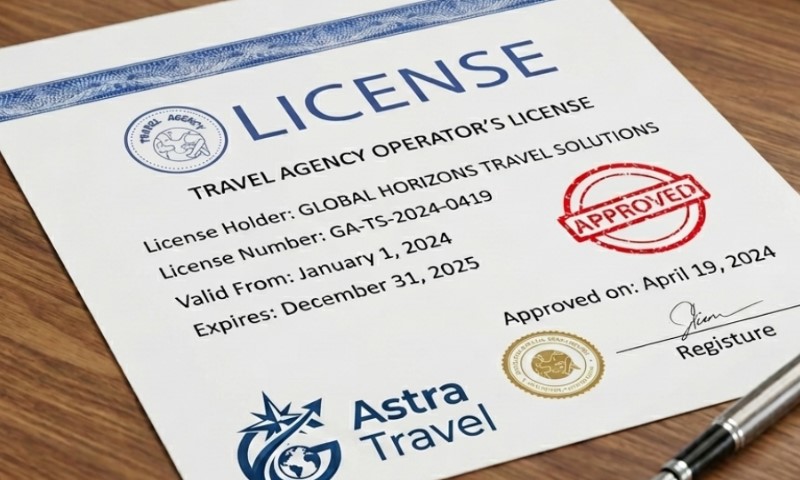
Colorado does not require a specific travel agent license, similar to states like Arkansas or Maryland.
Beginners can start without a state-issued travel agent credential, formal certification, bachelor’s degree, or high school diploma.
That legal flexibility matters because it lowers the barrier to entry for people who want to start part-time, test the industry, or build a travel business without going back to school first.
That said, simple access does not mean you should skip preparation.
Many new Colorado travel agents still need a professional setup, accurate business records, reliable booking tools, and a clear plan for working with clients.
A major business requirement in the travel industry is access to an IATA number.
An IATA number allows a travel agency to conduct business, book travel, and earn commissions through many suppliers.
Most beginners access industry credentials, supplier relationships, and booking infrastructure through a host agency rather than trying to build everything independently.
At Yeti Travel, advisors can join a host-agency program that includes onboarding, new agent training, supplier-specific training, mentoring, advisor tools, and access to industry resources such as CLIA.
Anyone planning to become a travel agent in Colorado should treat legal simplicity as a starting advantage, not a reason to rush.
Careful setup helps you look professional and protects your business as it grows.
Step #2 – Choose a Host Agency or Independent Path
Most new Colorado travel agents choose a host agency because it helps them start faster.
One 2024 advisor survey found that 93% of new advisors chose the hosted route, which supports the idea that a host agency can be a practical starting point for someone who wants to become a travel agent in Colorado.
A host agency can provide booking systems, supplier access, partner programs, training, marketing support, mentorship, and industry infrastructure.
We built our host-agency program around that beginner-friendly support model, with:
For beginners, that support can make a big difference. Instead of trying to build every system alone, a new travel agent can use established tools and learn through a community of advisors.
Host agencies often help with supplier relationships, commission processing, advisor education, and technology.
Many also offer training calls, destination updates, marketing templates, and support teams that answer beginner questions.
A useful host agency comparison should look beyond the headline commission split:
- Monthly fees can affect your profit before you start booking consistently.
- Startup costs can vary depending on onboarding, training, and technology access.
- Training quality matters more when you are still learning how suppliers, bookings, and commissions work.
- Community support can help beginners solve problems faster.
We have a 70% commission option for our Summit plan and a 75%-85% commission range for our Summit Plus plan, which gives advisors a concrete compensation structure to compare against other host agencies.
Independent advisors can set their own processes, choose preferred tools, manage supplier relationships directly, and build their business structure in a highly personal way.
That control also means you may need to manage supplier access, business registration, booking tools, marketing systems, payment tracking, and compliance checks without host-agency support.
Step #3 – Complete Travel Agent Training

Training is not legally required in Colorado, but it is one of the smartest steps for beginners.
Travel planning involves real client money, important deadlines, supplier rules, cancellation policies, and high expectations.
A strong training plan should cover customer service, booking procedures, supplier portals, reservation systems, itinerary planning, travel insurance basics, destination research, sales, and communication.
Beginners should also learn how commissions work.
Many advisors earn income through supplier commissions, planning fees, consultation fees, travel packages, and value-added services.
Yeti’s FAQ says agents are asked to finish Section 1 of Yeti Travel training before registering with suppliers and are encouraged to complete the remaining Yeti training plus supplier booking training.
It also says agents can typically start booking after completing the required supplier training, which often takes 2-3 days, depending on the advisor’s schedule.
Online courses and workshops can also teach travel planning, reservation systems, customer service techniques, supplier communication, and sales skills.
Optional credentials can help a travel agent build confidence and credibility.
Popular options to research include:
- The Travel Agent Proficiency Test
- Certified Travel Associate
- Certified Travel Counselor
- IATA training
- Specialized travel workshops.
Supplier training is also valuable because different travel partners teach different pieces of the client experience:
Step #4 – Set Up Your Travel Business
A new Colorado travel agent needs a business setup that feels simple, organized, and professional. Before booking paid trips, decide how you want to operate.
Common setup options include independent contractor, sole proprietor, LLC, or another business structure.
In the TravelWeekly advisor survey, 63% of respondents said they were home-based independent contractors or agencies, which can encourage beginners to build a professional setup even when working outside a storefront office.
A business bank account can make income and expense tracking easier. Separating personal and business finances also helps during tax season.
At Yeti Travel, advisors also receive access to a Travel+ CRM license through the Summit program, which can support a more organized client-management process as the business grows.
Recordkeeping should start early, especially because travel payments, commissions, refunds, and client deadlines can happen at different times:
A client intake process can save time and reduce confusion. Ask about budget, travel dates, destination preferences, group size, travel style, special occasions, activity interests, and any important needs.
Commission tracking is essential because travel payments often arrive after travel is completed.
Tax documentation also matters. Keep clean records for business expenses, training costs, software subscriptions, marketing expenses, host-agency fees, and professional memberships.
Anyone who plans to become a travel agent in Colorado independently should create a basic business plan.
Include startup costs, software, training investments, marketing expenses, niche focus, and operating structure.
Step #5 – Pick a Travel Niche

A niche makes your services easier to market. Instead of trying to plan every type of trip for every traveler, you can become known for a focused area.
A Colorado travel agent might specialize in ski trips to Aspen, Vail, Breckenridge, or other mountain resorts.
Another advisor might focus on hiking getaways, scenic drives, outdoor adventure, or family trips near national parks.
Some niche ideas are easier to understand when they are framed around the client, not just the destination.
- Families may want ski trips with lessons, easy transfers, kid-friendly lodging, and flexible dining.
- Couples may want luxury mountain stays, spa access, scenic views, and quieter itineraries.
- Outdoor travelers may want hiking routes, rafting options, national parks, and seasonal activity planning.
- Groups may need room blocks, shared transportation, payment deadlines, and clear communication.
Outdoor recreation is particularly interesting since the Colorado Sun recently stated that there are 137,762 jobs in Colorado in 2024 related to the niche, and they made up 4.5% of all workers in the state.
Furthermore, park-focused travel can also work as a broader niche.
National Park Service sites received 331.9 million recreation visits in 2024, so park vacations can give a travel agent a strong planning category that fits families, couples, groups, and outdoor travelers.
Choosing a niche should start with your interests, but market demand also matters. Luxury getaways, adventure tourism, eco-friendly travel, and seasonal Colorado tourism patterns can help shape a smart direction.
A niche does not trap you forever. Beginners can start with one focus, test client interest, learn which trips feel most profitable, and adjust as they gain experience.
Step #6 – Build Supplier and Destination Knowledge
Strong destination knowledge helps you create better trips. Clients can book basic travel online, but they often hire a travel agent because they want guidance, personalization, and confidence.
Study hotels, cruise lines, resorts, tour operators, villas, all-inclusive properties, transportation providers, and travel insurance options. Supplier knowledge helps you compare choices and explain value clearly.
Colorado-specific knowledge is especially helpful for local positioning.
Denver should be one of the first destinations a Colorado travel agent studies, since the city welcomed more than 37.1 million visitors in 2024 and often works as a starting point for Colorado trips.
A Colorado travel agent can use local knowledge to plan Denver food-focused weekends, Aspen ski vacations, Rocky Mountain hiking trips, and outdoor adventure itineraries.
Destination knowledge should include more than names and locations.
Denver International Airport served 82,358,744 passengers in 2024, so a Colorado travel agent should learn airport transfer options, connection timing, rental car needs, and routes into mountain destinations.
Learn seasonality, travel times, resort styles, activity options, weather patterns, family-friendly choices, luxury options, and common planning mistakes.
Local planning knowledge becomes more valuable when it helps clients avoid problems before they happen.
- Altitude can affect how some travelers feel during mountain trips.
- Peak dates can change lodging prices, availability, and transfer timing.
- Trail difficulty can affect whether an itinerary feels exciting or exhausting.
- Weather patterns can shape what activities are realistic during each season.
Supplier knowledge also helps with client trust. Clients want to know why one resort, tour, cruise line, hotel, or insurance option may fit better than another.
A beginner who wants to become a travel agent in Colorado should set weekly learning goals. Study one supplier, one destination, or one niche topic at a time.
Interesting Fact: Colorado Springs and the Pikes Peak Region are also worth studying, since visitation grew 2.7% in 2024.
Step #7 – Create Your Brand and Find Clients

A new travel agent needs visibility. Clients need to know who you help, what trips you plan, and why booking with you adds value.
Start with a simple online presence. A basic website, advisor profile, or social media account can explain your niche, introduce your services, and invite people to contact you.
Your brand should clearly show your focus. A Colorado travel agent specializing in ski vacations, adventure trips, or luxury mountain getaways should make that easy to spot right away.
Early clients often come through people you already know.
Friends, family, coworkers, neighbors, and personal networks can help you practice your process and build referrals.
Email marketing can help you stay visible. Send helpful updates about trip ideas, seasonal planning windows, destination tips, supplier promotions, and reasons to book early.
Social media can work well when it feels helpful and consistent. Content should show that you understand planning details clients may overlook.
- Post planning timelines for ski season, spring break, summer travel, and holiday trips.
- Share packing reminders for mountain weather, outdoor activities, or family travel.
- Explain common booking mistakes without making clients feel judged.
- Show sample itinerary ideas that match your niche and planning style.
Referrals are powerful in travel.
Great communication, smooth planning, and thoughtful follow-up can lead clients to recommend you to friends and family.
Anyone working to become a travel agent in Colorado should market with clarity. Show your niche, explain your process, and make contacting you easy.
Step #8 – Book Trips and Deliver Excellent Service
Excellent service starts with a strong consultation. Before recommending anything, learn what the client wants and what matters most to them.
Ask about budget, travel dates, destination preferences, group size, travel style, special occasions, activity preferences, mobility needs, room preferences, and comfort level with transfers or connections.
A skilled travel agent listens for details that clients may not know how to explain.
Some travelers want luxury and quiet. Others want adventure, nightlife, kid-friendly options, or a stress-free itinerary.
Once the client approves an option, book travel carefully.
Double-check names, dates, room types, payment deadlines, cancellation terms, travel insurance options, and confirmation details.
Before a client leaves, organized communication can prevent many avoidable questions.
- Confirm payment deadlines and cancellation terms in writing.
- Send travel documents early enough for clients to review them.
- Include destination notes that match the trip, season, and traveler type.
- Remind clients about packing needs, identification, transfers, and arrival details.
Send confirmations, payment reminders, travel documents, packing tips, destination notes, and helpful updates before departure.
Clients appreciate knowing they have someone to contact if a delay, cancellation, room issue, or schedule change happens.
Follow-up after travel is also important. Ask how the trip went, gather feedback, request reviews if appropriate, and invite referrals.
Step #9 – Keep Learning and Grow Your Business
View this post on Instagram
Growth in the travel industry comes through steady learning.
Track your business results as soon as you start booking. Watch which niches, suppliers, client sources, and marketing channels bring the best outcomes.
Travel partners often pay commissions on eligible bookings, but the advisor’s final earnings depend on the supplier, booking type, host-agency agreement, and commission split.
At Yeti Travel, advisors start with a 70% base commission, with opportunities to increase to 75%, 80%, or 85% through the Summit Plus Program.
Our higher tiers are tied to accumulating $10,000, $30,000, or $50,000 in paid commissions during a calendar year.
Planning fees can also support your income. Some advisors charge fees for custom itinerary planning, research, complex trips, group coordination, or consultation time.
Income can vary based on niche, experience, client volume, fees, and booking value.
As a national benchmark, travel agents earned a median annual wage of $48,450 in May 2024, while many advisors also build income through commissions and client-paid planning fees.
Stronger intake forms, email templates, supplier notes, client profiles, follow-up sequences, and commission tracking can make your work smoother.
As the business grows, regular reviews help you decide what to improve next.
- Which suppliers were easiest to work with and most reliable for clients?
- Which trip types created the best mix of profit and client satisfaction?
- Which marketing channels produced actual inquiries instead of just views?
- Which repeated questions could become email templates, website content, or intake form updates?
Anyone working to become a travel agent in Colorado should stay curious, organized, and consistent.
Small improvements made every week can lead to a stronger business over time.
FAQs
Summary
Starting a travel career in Colorado does not require a state-specific travel agent license, but it does require preparation.
Colorado offers many exciting planning opportunities for advisors who enjoy ski trips, hiking vacations, national parks, mountain towns, outdoor adventure, and custom itineraries.
A motivated beginner can become a travel agent in Colorado with the right systems, training, support, and client-building plan.
Consistent learning, clear communication, and a helpful mindset can turn travel planning into a flexible and rewarding business.